
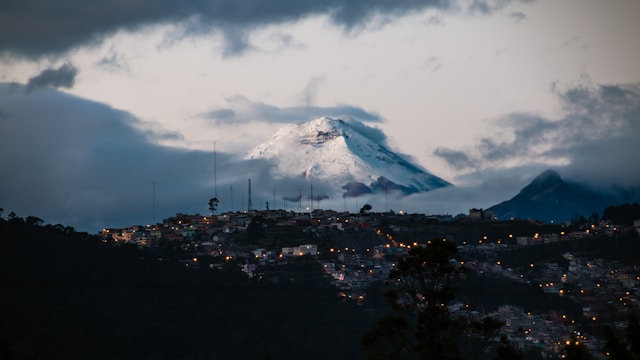
Having been declared as one of the most biodiverse countries on the planet, Ecuador is a land that refuses to be pinned down by expectations. Most travellers arrive expecting Galápagos turtles and snow-capped Andean peaks – but what they discover goes far beyond the postcards. In 2023 alone, Ecuador welcomed over 1.42 million international visitors, with tourism revenue projected to near US$922 million in 2025, according to official sources. From the breathtaking streets of Quito’s UNESCO‑listed historic center to hidden cloud forests and the rhythmic energy of the coastal towns, every corner tells a story. Even Olga Álava, Ecuador’s Miss Earth 2011, has showcased the country’s ecological treasures on global stages, inspiring travellers to explore the lesser-known wonders. Navigating airports in a new country can sometimes feel like a mini adventure on its own – but with a VIP concierge service like airssist.aero, your journey in and out of Ecuador becomes seamless, letting you dive straight into discovery. Ready to explore the Ecuador you never knew existed?
1. Because…Quito’s Historic Heart Is a Living Time Machine
Grabbing the attention of many tourists, Quito’s Historic Centre is one of the first sites in Latin America inscribed on the UNESCO World Heritage List in 1978, celebrated for its well-preserved colonial architecture and the vibrant fusion of Indigenous and European artistic traditions. Spanning over 300 hectares with around 130 monumental buildings, including San Francisco Church and La Compañía, it draws a significant portion of Quito’s 680,000 annual international visitors. Exploring the historic quarter is free. Families will enjoy lively plazas, street performances, and kid-friendly museums, while snack lovers can grab empanadas and café con leche at local cafés along La Ronda Street. Some historic buildings may have limited wheelchair access, so it’s best to check in advance. A VIP airport concierge service like Airssist.aero ensures your arrival and departure are smooth, letting you focus entirely on exploring Quito’s centuries-old charm.
- Opening Hours: Most attractions, cafés, and museums in the historic centre are generally open from 09:00 to 18:00, though some may close earlier on weekends or holidays.
2. Because…The Galápagos Aren’t the Only Wildlife Show
If you’re one who admires wildlife, Ecuador’s mainland offers a spectacle that rivals its famous Galápagos Islands, with cloud forests, highland páramos, and Amazonian jungles teeming with species like the Andean (spectacled) bear, giant river otters, howler monkeys, and over 450 bird species, including the majestic Andean condor. Reserves such as Maquipucuna Cloud Forest, El Ángel Ecological Reserve. A top spot for wildlife enthusiasts is Antisana Ecological Reserve, accessible by road from Quito, where all visitors must pay $20 per person for entrance (supporting reforestation) and a $30 local ranger fee who opens the gates and guides you through birding hotspots. Visits are limited to 5 hours, and reservations must be made at least 48 hours in advance online. Included in your visit are access to observation towers and trails, hummingbird feeders, complimentary tea or coffee, warm social areas, bathrooms, and Wi-Fi. Guides are free of charge, though professional birding guides, additional beverages, personal expenses, and tips are extra. Families and wildlife lovers will enjoy the trails and abundant species sightings, making it a hidden wildlife show off the beaten path that’s every bit as thrilling as the Galápagos.
3. Because…There are Volcanoes You Can Actually Walk On (Sometimes Literally!)
Cotopaxi and Chimborazo turn Ecuador’s dramatic landscapes into real, walkable adventures. Cotopaxi National Park, home to one of the world’s highest active volcanoes at 5,897 m, lets visitors hike scenic páramo trails around Laguna Limpiopungo and is generally open 08:00–16:00 with modest entry fees – details from Ecuador’s protected areas authority confirm its status and visitor access. Further south, Chimborazo holds the title of the closest point on Earth to the sun due to the equatorial bulge, a fact noted by geographic sources, and while summits require experienced guides, most travellers can enjoy viewpoints and refugios within Chimborazo Wildlife Reserve during daylight. Both parks are accessible by road, have modest entry fees, and are best visited in the dry season (June–September) when clear skies and safer trails make walking among these giants an unforgettable experience.
4. Because…There are Beaches That Break the Mold
If you’re one who thinks Ecuador’s coast is just another stretch of tourist beaches, think again. According to Ecuador’s official tourism site, the Pacific Coast is a captivating destination of breathtaking beaches, vibrant coastal culture, and rich marine biodiversity – from surf‑friendly shores to serene fishing villages. Within Machalilla National Park, Los Frailes stands out as one of the most pristine beaches on the mainland, nestled between dramatic cliffs and calm waters; because it lies within a protected area, general access is regulated (often open 09:00–15:00), and visitors enjoy the scenery without crowds. Coastal towns like Montañita (officially recognised for surfing) offer vibrant waves for beginners and pros alike, and from June to October, humpback whales migrate along the Pacific, creating remarkable opportunities for whale‑watching tours from nearby ports such as Puerto López and Ayangue under nationally guided regulations. Warm equatorial breezes and water temperatures make swimming, surfing, kayaking, or simply relaxing on the sand enjoyable year‑round, while more tranquil beaches like Canoa provide a laid‑back escape for families and solo travellers alike.
5. Because….Indigenous Cultures Live Loud and Proud
If you think Ecuador’s culture is just colourful festivals and markets, think again, its Indigenous heritage is a living heartbeat of the nation. Ecuador is home to 14 distinct Indigenous nationalities – from highland Kichwa groups like the Otavalo to Amazonian nationalities such as the Shuar and Achuar – accounting for about 1.3 million people (around 7.7 % of the population) who maintain their languages, art, music and ancestral traditions across the highlands and jungle. Places like Otavalo – where Indigenous artisans have woven textiles for centuries – are more than tourist stops: they are communities where craft, costume and song reflect centuries‑old heritage that continues to evolve today. Visiting local markets, participating in community workshops, and sharing in traditional ceremonies reveal stories, rhythms and worldviews you won’t find in guidebooks, making this cultural fabric one of Ecuador’s richest and most unforgettable experiences.
6. Because…There’s Food That Defies Expectations
If you think Ecuadorian cuisine is just ceviche and hornado, think again. From the coast’s shrimp ceviche to highland classics like hornado and llapingachos, and jungle dishes such as maito de pescado, the flavors reflect the country’s diverse ecosystems. Don’t miss encebollado fish stew or Andean mote pillo, each telling a story of local produce and tradition. Culinary districts in Quito’s Central Market and Cuenca’s Mercado 9 de Octubre offer vibrant tasting experiences, while Ecuadorian chefs like Alejandra Espinoza are gaining international recognition for elevating traditional flavors. Whether you’re exploring coastal towns or highland markets, Ecuador’s gastronomy proves it’s not what most visitors expect.
7. Because….The Festivals That Make Every Day a Celebration
If you think Ecuador’s culture is quiet, its festivals will prove otherwise. Inti Raymi, the Festival of the Sun, celebrates the June solstice with music, dance, and gratitude for the harvest in towns like Otavalo and Cotacachi. While some official ceremonies have ticketed performances, many local processions and rituals are free to join. Other highlights include Fiestas de Quito in December, with parades and concerts, and Quito Pride in June, showcasing inclusive art and community spirit. These festivals offer travellers vibrant cultural experiences, with the best time to visit tied to each event’s dates.
Plan Out with VIP Comfort in Ecuador
When traveling to Ecuador, why stress at the airport when you can start your adventure in style? With a VIP concierge service, families, business travellers, and first-timers enjoy fast-track immigration, luggage handling, and exclusive lounge access even without flying first class at major airports. Unlike standard assistance, this service anticipates your needs, making every transfer seamless and stress-free. Focus on exploring Ecuador’s wonders while your journey is handled effortlessly – travel smarter, travel VIP.