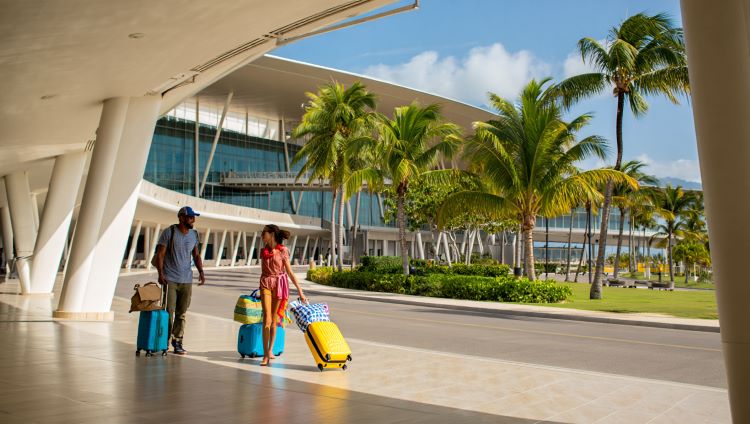
Well, we gotta give you a heads up if your next plans are for Punta Cana! It’s not like stepping off to another Caribbean Island.  You’ll be touching down in one of the busiest airports in the Dominican Republic, a place that saw over 10 million travelers in 2024, many of them flying in solely for one reason: to experience the region’s world-famous beaches, luxury resorts, and all-inclusive relaxation. Here in Punta Cana, travelers can zipline through the jungle canopy, go swimming in fresh water cenotes, or sail to Saona Island, paving the way to an experience like never before. But, what should be that one thing you do before anything else? PLAN OUT!

At Punta Cana Airport, which usually handles more than half of all international arrivals into the Dominican Republic, long immigration lines, crowded baggage areas, and slow customs checks can quickly turn excitement into discouragement . That’s why planning ahead is essential, and by planning ahead, we mean choosing Punta Cana Airport’s VIP service. This guide will show you exactly why VIP assistance is worth it and how booking through airssist.aero can make your arrival or departure enthused, faster, and far more enjoyable. By the end, you’ll understand how these services can truly be a lifesaver at one of the Caribbean’s busiest airports.

How Can a VIP Service at Punta Cana can Really Spice Things Up

Did you really know how? Well, when it comes to spicing up things at Punta Cana airport, you must know it’s never going to be possible with the VIP concierge service, unless you’re a proactive and plans out every bit of detail including well research on peak hours and when to arrive at the airport and more. Despite this perfect planning, one could still be faced with inevitable circumstances such as travel disruptions, travel emergencies, and more. 

With over 72 % of foreign-visitor air arrivals to the Dominican Republic passing through Punta Cana Airport in the first eight months of 2025, the odds are high your flight will land during busy, peak-traffic times, and VIP service ensures you sail through.

So, Here’s How VIP Services at Punta Cana Airport Help. But Do You Actually Get What You Expect?

Decide for yourself what these VIP services can actually do for you in PUJ!

Using the Fast-Track Options during Long Immigration & Customs Lines

While most are aware of this, there are still some travelers quite unfamiliar to these VIP services. With VIP services, you can avoid these lines altogether. Moreover, a dedicated concierge escorts you through fast-track immigration and customs, helping you avoid the long lines that can make even a relaxing trip start off stressful.

Meet & Greet Services

Another main VIP service available at Punta Cana Airport would be Meet & Greet services for first time travelers or anyone wishing for it, which are the heart of what makes the Punta Cana VIP experience so smooth. From the moment you step off the plane, a friendly airport representative is waiting for you-sign in hand, ready to escort you past long lines and straight through the airport formalities. They assist with immigration, guide you to baggage claim, help organize your luggage, and walk you directly to your transportation. On departure, they make sure you’re checked in right, help you with security, and escort you all the way to the lounge or your gate. It’s a warm, personal touch that makes even the busiest travel days feel organized, easy, and stress-free.


Efficient Baggage Handling

One of the most valuable parts of Punta Cana Airport’s VIP service is how effortlessly your luggage is handled. Instead of crowding around the carousel or dragging heavy bags through busy walkways, your VIP host retrieves your luggage, verifies the tags, and manages any baggage checks for you. By the time you’re guided through customs and out to your transportation, your bags are already organized and ready to go – letting you start your getaway without the usual airport hassle.

Lounge Access & Comfort

In VIP, you’ll receive access to Punta Cana’s exclusive, air-conditioned lounges: an oasis of calm amidst the bustle of the terminal. Relax on comfortable seating, access high-speed Wi-Fi, and help yourself to unlimited snacks and refreshments. Families appreciate the dedicated Kids’ Area while some lounges even feature scenic pools facing the airstrip to give you one last taste of paradise before your flight. It is the ideal way to relax, energize, and spend your last minutes in Punta Cana.

Help When Things Go Wrong

Travel is full of surprises, and not all of them are the kind you hope for. Delays happen to flights, plans get confused, and situations you don’t plan for arise when you least anticipate them. You’ve more than likely had to work through a few of them yourself. That’s where VIP service can mean so much more than mere convenience; it can be support. If something goes awry, the need for a personal concierge service while directing you in the right steps to help you, organize changes, make rebookings, liaise with ground staff, and never leave you to fend for yourself against the chaos that erupts. Instead of being overwhelmed, you have someone smoothing out the bumps and getting you back on track quickly, smoothly.


VIP Terminal Experience

Another main VIP service at the Punta Cana Airport would be the VIP terminal of Punta Cana Airport is for those travelers who desire the utmost in privacy and comfort. Instead of passing through the busy airport halls filled with long lines and crowded checkpoints, you enter a separate private terminal that feels more like a boutique lounge than an airport facility. Here, immigration and customs, along with security checks and check-in, are handled discreetly and efficiently, with personal staff guiding you every step of the way. What more can you expect when arriving and departing to/from the airport? Have things organized your way and make the most of it. The VIP Terminal facility also lets you move at your own pace through quiet, luxurious surroundings, enjoying exclusivity normally extended to celebrities and other high-profile travelers.

Transportation to/from Punta Cana Airport and Beyond

Transportation at Punta Cana Airport can get hectic, but with VIP service, it’s effortless. Travelers can upgrade to private chauffeured transfers with airssist.aero that offer much more than just a ride: you’re welcomed by a professional driver who will grant multilingual assistance, local knowledge, and a smooth, comfortable journey to your resort or destination. Your VIP concierge is in contact directly with the driver for you and by doing so bypass crowded taxi lines and confusion outside the terminal. Whether you head toward Bavaro, Cap Cana, La Romana, or everywhere beyond, these personalized transfers ensure that from airport to paradise goes perfectly so you can begin relaxing and enjoying your trip from the very beginning.


Popular Misconceptions about VIP Services in Punta Cana

  • “VIP is only for celebrities or the super-rich” – Actually, VIP services can be availed by everyone; all it takes is to be willing to invest in convenience and comfort. Packages accommodate families, couples, and solo travelers alike.
  • “It’s just about skipping lines” – While fast-track lanes are part of it, VIP services also include luggage handling, concierge assistance, private lounges, chauffeured transfers, and personalized support.
  • “You don’t need it if you’re traveling light” – Even travelers with minimal luggage benefit from VIP service, especially at the peak hours when airport crowds can be overwhelming.
  • “It’s not worth the cost” – For many, the time saved and stress avoided, not to mention overall comfort, make services like these a smart investment that can elevate the vacation experience.
  • “VIP is only for arrivals” – actually, VIP service is equally valuable for departures to whisk you through security, lounges, onto your journey relaxed.
  • “You can’t customize it” – Modern VIP providers, like airssist.aero, offer tailored services to match your schedule, traveling style, and specific needs.


How Using Add-ons Can Boost Your VIP Experience at Punta Cana Airport

Did you know that you can modify your airport experience even more? As with airssist.aero, you can upgrade your VIP service with convenient add-ons and take your entire Punta Cana journey to the next level, even before you arrive. These enhancements are designed for travelers who value comfort, personalization, and exceptional support-whether you’re a family juggling kids, a business traveler on a tight schedule, a senior needing extra assistance, or simply someone who wants to enjoy a personalized and more importantly an expedited airport experience through unexpected airport chaos. 

We at airssist.aero take VIP travel to a different level, offering specialized add-ons that extend far beyond the terminal. From curated shopping help to luxury transportation, curated experiences, and more, these extras make sure every moment of your trip feels polished and carefully orchestrated.


  • Personal Airport Shoppers for duty-free items, gifts, or last-minute essentials.
  • Kids & Family Assistance including stroller assistance and easier checkpoint navigation.
  • Unaccompanied Minor Assistance for safe, fully supervised travel.
  • Assistance for People with Reduced Mobility with wheelchairs, buggies, and escort assistance.
  • VIP Lounge Arrangements without a Membership with guaranteed access during peak times.
  • Luxury Limousine Transfers for a stylish, comfortable ride to or from your resort.
  • Private Tours & Excursions: arranged directly through trusted local partners.
  • Event & Special Occasion Coordination: This includes anything from welcome setups to celebratory surprises.
  • Extra Personalised Service for seniors, honeymooners, corporate groups, or nervous flyers.


When is the Ideal Time to Book VIP Services at Punta Cana Airport with airssist.aero?

With Punta Cana operating in waves based on peak travel seasons, flight clusters, and resort turnover days, it’s essential to keep a tab with these events to know whether or not you’ll be needing VIP service. Knowing when to purchase your VIP service can make the difference between breezing through the airport and spending hours in line.

Peak Seasons – When VIP Is Practically Essential

  • December to April: High tourist months; resorts are full and airports are crowded.
  • July to August: Family travel season, so expect very long lines and heavy congestion.
  • Holiday Weeks: Christmas, New Year’s, Easter, Thanksgiving, Spring Break.

This is particularly true during peak periods where the wait time for immigration can be more than 60 to 90 minutes, so the services of Fast Track or Meet & Greet can be very invaluable.

Peak Days of the Week

  • Friday–Sunday are the busiest days for arrivals and departures.
  • Resorts often schedule weekly turn-over on these days, increasing airport flow.


Peak Hours of the Day

  • 12:00 PM – 4:00 PM is the heaviest arrival window – Morning departures, between 8 AM and 11 AM, tend to have the longest lines for check-in/security.


Why Book Early Through airssist.aero?

  • VIP spots sell out quickly in high season.
  • Early booking ensures lounge access and guaranteed concierge coverage.
  • You get instant confirmation, schedule coordination, and transport pairing.


Start Your Vacation on the Right Foot

With more and more celebrities enjoying their New Year in Punta Cana, it’s your turn to start your vacation the right way with airssist.aero’s VIP services at Punta Cana Airport. Grab your chance to glide effortlessly through passport control, immigration, and customs while enjoying the comfort of our modern VIP lounges. Our attentive team will handle your luggage, escort you to the private VIP curbside, and ensure your ground transportation is ready and waiting. With airssist.aero, you have a true travel companion – a trusted friend every traveler to Punta Cana can be proud to rely on for a seamless, stress-free airport experience.


FAQs

Is VIP service at Punta Cana Airport really worth it?

Absolutely. With long immigration lines, crowded terminals, and busy baggage areas – especially during peak travel seasons – VIP services save you from quite the stress. Fast-track lanes, personal assistance, and lounge access alone can make the investment worthwhile. Plus, airssist.aero offers added conveniences like private transfers and personalized support.

How early should I book VIP services through airssist.aero?

It’s best to book at least 48–72 hours in advance, especially during the high season (Dec–Apr, July–Aug, and holidays). VIP spots can fill up quickly, and securing your service early ensures guaranteed availability and smoother coordination with your flight schedule.

Do VIP services include transportation to my hotel or resort?

Standard VIP packages do not automatically include transportation, but airssist.aero makes it easy to add premium options like private chauffeured transfers or luxury limousine services. Your concierge will coordinate directly with the driver so your ride is ready the moment you exit the terminal.

Can families with kids benefit from Punta Cana VIP services?

Yes, families benefit more than anyone. VIP services help you breeze through immigration, carry strollers, manage kids’ needs, access lounges with play areas, and avoid long waits. airssist.aero also offers add-ons such as kids’ assistance, family escorting, and unaccompanied minor support for young travelers.

What’s the difference between VIP Fast Track and the VIP Terminal?

VIP Fast Track lets you skip long lines with dedicated lanes at immigration, security, and customs, paired with lounge access and personal assistance.
The VIP Terminal, however, is a completely separate private terminal offering its own check-in, immigration, and customs – ideal for premium travelers seeking utmost privacy, discretion, and exclusivity.
No doubt you’d want to start the year in the best way possible – by exploring some of the world’s most incredible destinations in January.

Everyone wishes for just that!!! Isn’t it? And it’s also such a great time to be planning out for a vacation as this would give you a refreshing start of the year. January being a month of new goals, new energy, and the perfect excuse for new adventures. Dream of golden beaches, snow-capped mountains, or ancient cultural wonders, as this month offers an ideal window to discover some of the world’s most stunning destinations.

Today, people work to travel and the demand is so high that the hospitality sector across the globe continuously works towards improvements for the betterment of these travelers. In Europe, the Allianz Partners International Vacation Confidence Index, Winter 2023 revealed that 63% of people planned a leisure trip between January and March, and 23% expected to travel abroad during that period – proof that January is becoming a favorite time for meaningful getaways.

Today we’ll show you some amazing and breathtaking January Places that you can add to your bucket list. You will discover the top destinations that make January truly unforgettable and exceptional. Get ready to explore some inspiring activities to help you start your year right. You’ll also see how traveling with airssist.aero can make your journey fabulous while adding true colors to your journey ahead. 

Let’s begin your January travel bucket list and set the tone for an incredible year ahead.


1. Thailand – Tropical Bliss & Cultural Treasures

Why January Is Perfect Here!

January is the sweet spot for Thailand. It’s the dry season, sunny skies, warm temperatures (25–32 °C), and minimal rainfall. Perfect for temple-hopping, island-hopping, or just soaking in paradise. With calmer seas, vibrant festivals, and cooler evenings in the north, travelers get the best blend of tropical bliss and rich cultural experiences.


Top Things to Do

  • Island-Hopping: No trip to Thailand is complete without exploring its iconic islands. Hop between Krabi, Koh Phi Phi, and Phuket, cruising through crystal-clear turquoise waters, lounging on pristine beaches, and discovering hidden coves. Each island offers its own unique charm, whether you’re seeking vibrant nightlife or tranquil seclusion. In fact, Megan Thee Stallion was recently spotted enjoying the sun and serenity of Phuket, sharing stunning beach photos with her fans. If it’s good enough for a superstar, it’s certainly worth a visit!
  • Bangkok Exploration: Dive into the bustling heart of Thailand by exploring Bangkok’s vibrant streets and culture. Visit the majestic Grand Palace, wander through the famous Yaowarat (Chinatown) for mouthwatering street food, and take a scenic river cruise at sunset for breathtaking views of the city’s skyline and historic temples.
  • Northern Adventures: For a more serene experience, head north to Chiang Mai or Pai, where lush hills and misty mountains create the perfect backdrop for trekking and exploring. Visit elephant sanctuaries, trek through the jungle, and immerse yourself in local hill-tribe culture for a truly unforgettable experience.

Few Know About;

If you’re looking for a peaceful escape from the crowds, Koh Yao Noi is the perfect spot. Tucked between Phuket and Krabi, this serene island offers:

  • Quiet beaches and untouched landscapes for a tranquil getaway. 
  • Charming local fishing villages where you can experience authentic island life. 
  • Stunning limestone karsts and breathtaking natural beauty. 
  • A relaxed atmosphere, ideal for those seeking peace away from the usual tourist spots.


Why You’ll Remember It

Thailand in January is the ultimate escape – a mix of sunshine, flavor, and relaxation. Enjoy tropical warmth, savor street foods like Pad Thai and Mango Sticky Rice, explore temples and markets, or go snorkeling and hiking, making every moment unforgettable.

New Zealand (South Island) – Summer Adventure Wonderland

Why January Is Perfect Here

While the Northern Hemisphere is bundling up, New Zealand’s South Island is in the height of summer, making January an unbeatable time to visit. With long days (up to 16 hours of sunlight) and temperatures averaging 25°C, it’s the perfect season for outdoor adventures. According to First Light Travel, January is one of the driest and most reliable months for exploring the region, offering stunning clear skies and excellent conditions for everything from hiking to road-tripping.

Top Things to Do

  • Adventure in Queenstown: Often dubbed the “adventure capital of the world,” Queenstown offers adrenaline-pumping activities like bungy jumping, skydiving, and scenic cruises through the breathtaking Milford Sound. If you’re seeking thrills, Queenstown will leave you exhilarated.
  • Road Trip to the South Island: Hit the road from Christchurch to Wanaka, a journey that takes you through vineyards, beaches, and dramatic glacier landscapes. Whether you’re cruising along the coast or taking in the stunning alpine scenery, this drive offers some of the most scenic views in the world.
  • Stargaze at Lake Tekapo: Situated in one of the world’s most recognized Dark Sky Reserves, Lake Tekapo offers an otherworldly stargazing experience. Under the star-filled sky, the Milky Way feels almost within reach, and the sight of countless constellations is something you’ll never forget.

Few Know About;

For a truly peaceful retreat, head to Mavora Lakes, a serene, remote twin-lake area secretly lying in between Te Anau and Queenstown. This stunning spot was a filming location for The Lord of the Rings, and despite its fame, it remains one of New Zealand’s best-kept secrets. The tranquil beauty of this place, surrounded by mountains and wilderness, makes it feel like you’ve stepped into another world.

Why You’ll Remember It

Well, if you ask why New Zealand in January is a must-visit, the answer is simple: it’s an outdoor paradise. And don’t miss out on local treats like Pavlova, a light meringue dessert, or classic fish and chips by the beach. Plus, the traditional hongi (Maori nose-to-nose greeting) will make you feel deeply connected to the land and its people. January in New Zealand’s South Island is more than just a getaway; it’s a summer adventure you’ll treasure forever.


Ethiopia – Ancient Culture Meets Raw Adventure

Why January Is Perfect

January is ideal for exploring Northern Ethiopia, when the dry season opens up mountain roads and remote routes. This is also when the Timkat Festival (January 19–20) takes place, celebrating Epiphany in a vibrant, unforgettable way. National Geographic calls Timkat “one of the world’s most captivating spiritual experiences,” making January a truly magical time to witness Ethiopia’s rich cultural heritage.

Top Things to Do

  • Experience Timkat in Lalibela or Gondar: Join pilgrims in colorful processions, watch centuries-old rituals, and immerse yourself in one of the world’s most spiritual festivals.
  • Explore the Danakil Depression: Venture into one of Earth’s hottest and lowest regions, where salt flats, sulfur springs, and active lava fields create a surreal, otherworldly landscape.
  • Discover Rock-Hewn Churches: Lalibela’s 12th-century underground churches are architectural marvels carved from solid rock – a must-see for history and culture lovers.

Few Know About;

Venture into the Lasta Mountains near Lalibela and stay in community-run lodges, where profits support local families. Early-morning walks through misty valleys reveal serene landscapes few tourists ever see, offering a rare glimpse of Ethiopia’s untouched beauty.

Why You’ll Remember It

Ethiopia is often not talked about. But if you’re planning to visit the country in January it’s more than a trip it’s a spiritual journey. From the very colorful Timkat festival and ancient rock-hewn churches to the raw landscapes of the Danakil Depression and warm local hospitality, every moment is unforgettable. Savor traditional dishes like injera with doro wat or kitfo, and let the sights, sounds, and flavors of Ethiopia leave a lasting impression.


Japan – Winter Wonderland & Cultural Delights

Why January Is Perfect

Japan and January go hand in hand all for good reasons! January is such a serene yet festive time to explore Japan. The New Year celebrations (Shogatsu) fill temples and streets with vibrant traditions, while the winter months bring crisp, clear skies, perfect for sightseeing. Ski resorts in Hokkaido are at their peak, and hot springs in the Japanese Alps offer a cozy retreat.

Top Things to Do

  • Skiing in Hokkaido: Hokkaido is famous for its light, dry powder snow, perfect for skiing and snowboarding. Resorts like Niseko and Furano offer world-class slopes for all levels, with stunning views of Mount Yotei. After a day on the slopes, unwind in an onsen or enjoy local winter festivals with Japanese street food and warm drinks.
  • New Year Festivities: New Year in Japan is marked by Hatsumode, the first shrine visit of the year, where visitors pray for good fortune. Meiji Jingu in Tokyo is one of the most popular spots, where you can witness traditional purification rituals and draw fortune slips. The festive atmosphere is complemented by special New Year foods and temple events, making it a truly cultural experience.
  • Explore Kyoto: Kyoto offers a peaceful winter experience with fewer tourists, making it perfect for exploration. Visit the iconic Kinkaku-ji (Golden Pavilion) and stroll through the serene Arashiyama Bamboo Forest. Kyoto’s Zen gardens and temples provide a tranquil atmosphere to connect with traditional culture and enjoy nature’s beauty in winter.

Few Know About

Head to Shirakawa-go, a remote village of thatched-roof houses blanketed in snow – magical and nearly untouched by tourists in January.

Why You’ll Remember It

Japan in January is truly peaceful, beautiful, and culturally rich. Enjoy soba noodles for New Year, soak in an onsen, or stroll through snowy streets, making each day a perfect blend of adventure and tradition.

Costa Rica – Rainforest Adventures & Coastal Bliss

Why January Is Perfect

Well Costa Rica is usually an all-rounder! However, January is the dry season in Costa Rica, making it ideal for exploring rainforests, beaches, and volcanoes. Daylight is long, wildlife is abundant, and the lush landscapes are at their most vibrant.

Top Things to Do

  • Zipline Through Monteverde Cloud Forest:  Soar above the misty treetops of Monteverde on some of the longest and highest ziplines in the world. As you glide between clouds and canopy, you’re greeted with sweeping views and the chance to spot monkeys, rare birds, and lush jungle scenery. It’s one of those heart-racing experiences that stays with you forever.
  • Beach Hopping on the Pacific Coast: From the lively surf town of Tamarindo to the postcard-perfect shores of Manuel Antonio, Costa Rica’s Pacific beaches shine brightest in January. Lounge on golden sands, paddle through crystal waters, or watch scarlet macaws fly overhead as the sun sets in fiery colors. Each beach has its own vibe –  from calm and romantic to fun and adventure-packed.
  • Volcano Adventures at Arenal: Hike the rugged lava trails around Arenal Volcano, one of Costa Rica’s most iconic natural wonders. The views are incredible, wildlife is everywhere, and the surrounding rainforest feels alive with energy. After your adventure, unwind in the region’s natural hot springs, where warm mineral-rich waters melt your stress away under the tropical sky.


Few Know About

Most travelers stick to Costa Rica’s popular spots, but few make it to Cabo Matapalo on the remote Osa Peninsula. Here, the rainforest meets untouched beaches, creating a wild, almost secret paradise. With scarlet macaws, howler monkeys, and quiet coves, it’s one of the country’s most magical off-the-grid escapes.

Why You’ll Remember It

Costa Rica in January is the perfect blend of thrill and pure relaxation, giving you jungle adventures by day and golden sunsets by night. You’ll savor local favorites like gallo pinto and fresh tropical fruit, spot wildlife so close it feels like a nature documentary come to life, and end each day in warm, peaceful paradise. It’s the kind of tropical escape that stays with you long after you’ve left.

Iceland – Northern Lights & Winter Wonders

Why January Is Perfect

The prime time for Iceland’s Northern Lights, frozen waterfalls, and snow-covered landscapes is definitely January. With fewer tourists than summer, travelers can enjoy dramatic natural sights in relative solitude.

Top Things to Do

  • Chase the Northern Lights: January is one of the best months to witness Iceland’s famous aurora borealis. As the sky turns pitch black, ribbons of green, pink, and purple lights swirl above glaciers and fjords, creating a scene straight out of a fantasy film. Guided night tours take you to the darkest, clearest spots, giving you an unforgettable chance to watch nature’s greatest light show.
  • Explore the Golden Circle: Iceland’s Golden Circle is even more dramatic in winter. You’ll see Strokkur Geyser erupt into icy air, admire Gullfoss Waterfall partially frozen into glistening layers, and walk between the Earth’s tectonic plates at Þingvellir National Park. The soft winter light makes the entire route feel calm, magical, and otherworldly.
  • Soak in Hot Springs: Nothing beats sliding into a naturally heated hot spring while snow falls around you. Whether you choose the famous Blue Lagoon or a hidden geothermal gem in the countryside, the warm, mineral-rich waters offer pure relaxation. The mix of steaming pools and crisp winter air creates a soothing experience unique to Iceland.


Few Know About

Visit Stórurð, a hidden boulder field in East Iceland, surrounded by turquoise ponds – a surreal winter wonderland away from crowds.

Why You’ll Remember It

Iceland in January feels like stepping into another world – where glowing skies, icy landscapes, and raw natural power surround you at every turn. You’ll savor hearty local favorites like traditional lamb stew and fresh Icelandic seafood, trek across glittering glaciers, and witness nature’s most dramatic moments up close. It’s the kind of experience that imprints itself on your soul and stays with you forever.

Morocco – Desert Adventures & Vibrant Culture

Why January Is Perfect

January offers cooler, comfortable temperatures in Morocco, ideal for exploring Sahara deserts, bustling souks, and the Atlas Mountains. The mild climate makes desert trekking and city wandering much more enjoyable than the scorching summer months.

Top Things to Do

  • Sahara Desert Excursion: Travelers can get going on a breathtaking journey across the golden dunes of the Sahara, where camel rides feel timeless and surreal. As night falls, relax in a traditional Berber camp, listening to desert music under a sky overflowing with stars. The peaceful silence and vast horizons create a once-in-a-lifetime experience you’ll never forget.
  • Explore Marrakech: Ever heard of the chaos of Marrakech? This is where every corner bursts with color, scent, and sound. Wander through lively souks filled with spices, lanterns, and handcrafted treasures, then explore majestic palaces like Bahia Palace and lush spots like Majorelle Garden. The city’s energy is contagious – and endlessly captivating.
  • Atlas Mountain Trek: Hikers, mountain lovers can hit up to Atlas Mountains, where cool air, scenic valleys, and charming Berber villages await. Hike through terraced orchards and winding trails with views of snow-dusted peaks in the distance. It’s the perfect blend of culture and nature, offering adventure without the intense summer heat.


Few Know About

Most travelers overlook Chefchaouen, the enchanting Blue City tucked in Morocco’s Rif Mountains. Visit in January, when the streets are quiet, the blue-washed walls glow under soft winter light, and you can wander freely without the usual crowds. Explore hidden cafés serving fresh mint tea and local pastries, stroll narrow alleyways to discover artisan shops, or take a gentle trail up to the Spanish Mosque for panoramic views – a serene, picture-perfect escape that feels like a well-kept secret.


Why You’ll Remember It

Morocco in January is a feast for the senses – colorful, adventurous, and deeply cultural. Travelers can savor traditional tagine and fresh mint tea, explore historic medinas, and witness local rituals such as Friday prayers at mosques or the colorful festivals in small towns. Staying in a riad tucked behind a bustling street or a desert Berber camp under the stars adds an unforgettable layer of authenticity, making every moment feel uniquely Moroccan.

Make Things Easier in January with airssist.aero

Many of us worry about adapting to new destinations, arriving and departing at unfamiliar airports, and handling unexpected travel risks and challenges. That’s where airssist.aero comes in, always ensuring your journey is absolutely perfect from arrival to anywhere you want to go. With our meet-and-greet services, fast-track airport procedures, and options for private tours to stunning January destinations, every traveler gets personalized support. You may be traveling solo, with family and kids, with friends, colleagues and groups, or even pets, we at airssist.aero makes sure your trip is as comfortable and joyous as possible, and precisely to be just the way you want it.

Reach out to us any time you feel like and inquire all about how you can make your journey easier in January.

Also you may like our read on – The Ultimate Beach Front Vacation Guide

FAQs

What makes January a good time for outdoor adventures?


January often brings cooler temperatures and fewer crowds in popular destinations, making activities like trekking, skiing, and island-hopping more enjoyable. It’s also ideal for spotting wildlife and experiencing local festivals without the summer rush.

Which destinations are best for winter sports in January?


Places like Hokkaido in Japan, the Swiss Alps, and New Zealand’s South Island offer world-class skiing, snowboarding, and snowshoeing. January’s snow conditions are usually at their peak, perfect for thrill-seekers.

Can I enjoy cultural experiences while traveling in January?


Absolutely! January hosts unique cultural festivals such as Ethiopia’s Timkat Festival, Japanese New Year rituals, and Moroccan desert traditions. These experiences let travelers immerse themselves in local customs and celebrations.

Are tropical destinations worth visiting in January?


Yes! Tropical spots like Thailand, Costa Rica, and the Caribbean offer sunny skies, pleasant temperatures, and vibrant wildlife. It’s a perfect time for beach hopping, snorkeling, and exploring rainforests.

How can airssist.aero make my January travel easier?


airssist.aero supports travelers from the moment they arrive at the airport to wherever they want to go. Offering exceptional, personalized services available for all passengers including economy, airssist.aero paves the way to incredible journeys in January.

Did you know Montana isn’t just about its famous Big Sky and national parks, there are secret, lesser-known destinations waiting to be discovered? In 2024, the state recorded a record 13.8 million non-resident visitors, who collectively spent around $5.0 billion. That spending supported approximately 38,240 jobs, roughly one in every 15 workers in Montana. And this is how strong tourism in Montana is. So if you’re planning out your next vacay in Montana, we suggest you read on to find all about the secret destinations waiting to be unleashed.

What makes this guide even more special is that it isn’t just for leisure travelers – you might be in Montana for business, studies, or a short-term assignment, and no matter the reason, you’re fully covered. Even during work breaks or study downtime, the state’s breathtaking hidden spots can turn ordinary moments into memorable experiences. Montana isn’t just about parks, lakes, and great food – its secret corners are drawing even the biggest stars. In 2025, Taylor Swift and Travis Kelce were spotted enjoying a low-key holiday in Montana, taking romantic strolls and dining quietly away from the spotlight. With private tours, curated transfers, and insider guidance, exploring Montana’s unique destinations is effortless, letting you soak in the scenery while skipping the usual travel stress.

For those arriving in Montana for leisure, we’ll show you how your journey can be transformed from the very start by planning ahead at the airport, ensuring you breeze through essential procedures at the airport without delays. Opting for VIP concierge services, especially when traveling with family or kids, can make all the difference in comfort and convenience.

Ready to get started with Montana’s best-kept secrets and travel smarter? Let’s begin your journey.

1. Bighorn Canyon National Recreation Area – The Hidden Red-Rock Oasis

Far from Montana’s major tourist routes, Bighorn Canyon National Recreation Area stretches across more than 120,000 acres of dramatic red-rock cliffs, twisting emerald waters, and quiet desert-like terrain. Despite its size and breathtaking scenery, it remains one of the state’s most overlooked destinations, drawing just over 200,000 visitors in 2022, according to the National Park Service,  a tiny fraction compared to Montana’s millions of annual travelers. Its geological formations date back over 250 million years, and the area has supported human presence for roughly 10,000 years, adding scientific and cultural value that many travelers never realize exists.

Part of what keeps Bighorn Canyon hidden is its remoteness, no nearby airports, limited public transportation, and two districts separated by a long drive. Yet that’s exactly what preserves its untouched beauty. From wild horses and bighorn sheep to more than 200 bird species, it’s a haven for wildlife, photographers, hikers, and anyone craving solitude. Those who make the journey are rewarded with some of the most spectacular canyon views in the American West.


Where it’s hidden: Along the remote Montana–Wyoming border, far from major interstates.
Why people miss it: No large airports nearby and very limited ground transportation.
What to do:

  • Kayak or boat through towering canyon walls 
  • Hike the Bighorn Head Gate Trail for panoramic views 
  • Spot wild horses roaming the Pryor Mountains 

Food nearby: Local trout dishes and BBQ in Lovell or Fort Smith.
Kid-friendly? Gentle trails and ranger-led activities are perfect for families.
Wellness: Quiet overlooks ideal for sunrise meditation or journaling.


Garnet Ghost Town – Montana’s Most Preserved Abandoned Settlement

What is it that catched the eye here? As one of the best-preserved ghost towns in the American West, Garnet Ghost Town offers an authentic window into 1890s mining life. At its peak, it was home to nearly a thousand residents, complete with saloons, hotels, a school, and bustling shops. After mining declined and a major fire swept through part of the settlement, the town was gradually abandoned, yet more than 30 of its original wooden buildings remain standing. Surrounded by dense forest and mountain quiet, Garnet feels frozen in time, especially during the early mornings when fog drifts between the cabins and storefronts.

Despite being remarkably intact, Garnet remains a relatively quiet attraction compared to Montana’s national parks and major cities. Its remote mountain location, limited winter access, and winding gravel roads naturally keep crowds away, leaving visitors with a rare sense of solitude. Today, it welcomes roughly thirty thousand visitors each year, many of whom come for the eerie beauty, wildlife sightings, and immersive history. Whether you’re exploring the old hotel, peeking into the saloon, or walking through its silent streets, the town offers a rugged, atmospheric escape into the past  perfect for photographers, families, history lovers, or anyone seeking an unforgettable detour.

Where it’s hidden: Deep in the Garnet Range between Missoula and Helena.
Why people miss it: Gravel roads and difficult winter access deter many travelers.
What to do:

  • Wander through historic cabins and abandoned saloons 
  • Join interpretive walks to learn mining history

Food nearby: Enjoy farm-fresh breakfasts in Missoula before the drive.
Kid-friendly? Kids love “exploring” the old West and peeking inside old shops.
Wellness: A digital detox getaway with calming forest trails and winter cabins.


Holland Lake & Falls – A Turquoise Gem of the Swan Valley

If you’re more of a nature lover who’d admire the sight of long-lost waterfalls and quiet alpine lakes, or simply enjoy spending time tucked into a peaceful valley, Holland Lake is a place that immediately captures the senses. Nestled deep in the lush Swan Valley, its glassy turquoise water reflects the surrounding peaks with an almost dreamlike clarity. The lake stays relatively uncrowded thanks to its remote setting, offering long stretches of silence broken only by wind in the trees and the gentle push of water against the shore.

What truly sets Holland Lake apart is the Holland Lake Waterfall Trail, a forested path that leads to a cascading waterfall hidden among evergreens – a rewarding discovery that feels untouched by time. In autumn, golden larch trees set the hillsides glowing, casting warm reflections across the lake’s surface. Be it hiking, paddling, or simply sitting by the shoreline you’re interested in, Holland Lake delivers a serene, immersive nature escape far from the usual crowds.


Where it’s hidden: Off the secluded MT-83 highway.
Why people miss it: Overshadowed by nearby Glacier National Park and Flathead Lake.
What to do:

  • Take the scenic hike to Holland Falls
  • Paddleboard or kayak on the calm, crystal-clear water
  • Enjoy peaceful fishing along the lakeshore
  • Explore the surrounding forest hiking trails
  • Settle in for a relaxing picnic by the water 

Food nearby: historically a highlight here, though full restaurant service is paused until planned reopening in 2026 due to infrastructure upgrades. It’s best to pack your own food.

Kid-friendly? Safe shoreline for swimming and easy-access trails.


Wellness: Perfect spot with viewpoints that naturally lend themselves to yoga, lakeside reading, journaling, meditation, or simple quiet reflection


Makoshika State Park – Montana’s Badlands Wonderland

One other secret spot any traveler would find comfort in is Makoshika State Park, where the landscape feels like stepping onto another planet. Its rugged badlands, colorful rock formations, and sweeping canyons create a surreal backdrop that delights photographers, hikers, and geology enthusiasts alike. Hidden fossil beds scattered throughout the park hint at a prehistoric world, offering an intriguing glimpse into Earth’s ancient past.

Despite being Montana’s largest state park, Makoshika remains quietly off the beaten path. Its remote eastern location keeps crowds away, allowing visitors to wander dramatic trails, explore eroded buttes, or simply take in the vast, open skies in peaceful solitude. From sunrise casting golden light across the red and ochre cliffs to quiet afternoons tracing fossil-laden ravines, Makoshika offers a memorable, immersive escape into a strikingly otherworldly landscape.


Where it’s hidden: Far eastern Montana near the small town of Glendive.
Why people miss it: Distance from major highways and popular parks.
What to do:

  • Go fossil hunting at world-renowned paleontology sites
  • Drive scenic routes through the dramatic badlands formations
  • Hike rugged trails and explore canyons, buttes, and prairie landscapes
  • Photography – capture vivid red, gold, and ochre cliffs and panoramic vistas
  • Wildlife spotting – watch for deer, prairie dogs, and birds of prey
  • Picnicking – relax while taking in the vast, open skies
  • Camping under the stars and enjoy seasonal ranger programs 


Food nearby: Explore Glendive’s small-town diners and hearty fare, including Penny’s Diner for classic American comfort food, Gi Gi’s Cafe for a cozy, homey vibe, Twilite Dining & Lounge for steaks and substantial meals, and the Yellowstone River Inn Restaurant for family-style dining and a 24-hour menu.

Kid-friendly? Home to one of Montana’s most fun fossil experiences for children.


Wellness: Vast open landscapes ideal for mindful hikes and sunset watching.

Kootenai Falls & The Swinging Bridge – A Secluded Adventure Stop

Have you ever visited or even heard of a place where a roaring river plunges into turquoise pools beneath a striking swinging suspension bridge? Libby Falls is one of those rare spots, where the powerful Kootenai River, forested cliffs, and vibrant waters create a scene that feels both exhilarating and serenely removed from the world.

Despite being one of Montana’s largest waterfalls, Libby Falls stays blissfully quiet thanks to its far-northwest location. Visitors can hike along rugged trails, pause to watch the river surge below, or linger on the bridge taking in the dramatic scenery. From mist-filled mornings to golden sunsets, this remote corner of Montana offers an unforgettable, immersive escape into untamed natural beauty.

Where it’s hidden: Near Libby, close to the Idaho border.
Why people miss it: Remote and often bypassed for Glacier or Flathead Lake.
What to do:

  • Picnicking along scenic river spots
  • Birdwatching and wildlife spotting in the surrounding forests
  • Fishing in the Kootenai River
  • Forest walks and nature study along trails
  • Relaxation or meditation amid the rushing water and quiet woods 

Food nearby: Libby offers cozy cafés like Fix Coffeehouse, home-style diners such as Diane’s, and restaurants including Dorios Italian and Riverbend Restaurant & Saloon; note that the once-popular Libby Café for pie is now permanently closed..


Kid-friendly? Great for curious kids (with supervision near water).


Wellness: Forest sounds + river energy make it a grounding nature retreat.


Medicine Rocks State Park – A Spiritual Sandstone Sanctuary

It’s quite the opposite of the crowded tourist spots – Petroglyph Canyon State Park offers a serene escape for those who appreciate otherworldly landscapes and quiet reflection.  Have you ever had the chance to see giant sandstone towers, sculpted over centuries by wind and weather, rise dramatically from the earth, their warm hues glowing in the sunlight? Here’s your chance to! Its remote setting provides long stretches of solitude, broken only by the whisper of wind across the cliffs.

What truly sets this park apart is its deep cultural and spiritual significance for Indigenous tribes, giving the area a peaceful, sacred atmosphere. If you’re wanting to wander among the towering rock formations, pausing in a sun-dappled canyon, or simply absorbing the expansive vistas, your experience here would be timeless, immersive retreat into a striking and tranquil landscape.


Where it’s hidden: Near small-town Ekalaka in southeastern Montana.
Why people miss it: Far from cities and limited lodging options.
What to do:

  • Hiking and nature walks through canyons and cliffs
  • Photography of sandstone towers and panoramic vistas
  • Birdwatching and wildlife spotting
  • Picnicking or quiet reflection in the serene, sacred surroundings 

Food nearby: Local, home-style meals in Ekalaka’s diners.

Kid-friendly?Open spaces and trails offer plenty of room for exploration, climbing, and imaginative play, though younger children should be supervised on uneven terrain.


Wellness: Remote, quiet trails and dark skies, plus ranger-led night sky programs, make it ideal for stargazing, meditation, and peaceful night walks. There’s also camping in the park, both tent and RV sites.

Hyalite Canyon – Bozeman’s Underrated Nature Playground

Just minutes from Bozeman, Hyalite Canyon offers a surprisingly wild escape with cascading waterfalls, serene alpine lakes, and dense forest trails that feel far removed from city life. In every season, the canyon delivers something special: spring brings rushing meltwater over rocky ledges, summer opens up hiking and swimming opportunities, and autumn transforms the forest into a golden wonderland. Even in winter, the frozen waterfalls attract ice climbers seeking challenging vertical climbs amid a snow-dusted forest.

Despite its proximity to Bozeman, Hyalite Canyon remains relatively quiet compared with Montana’s better-known destinations like Big Sky or Yellowstone. Its blend of accessible trails, hidden swimming spots, and scenic overlooks makes it ideal for photographers, hikers, families, or anyone craving an immersive outdoor retreat without the crowds. Whether you’re exploring forest paths, fishing in pristine lakes, or simply pausing to listen to waterfalls, the canyon provides a perfect mix of adventure and tranquility.

Where it’s hidden: Just south of Bozeman, reached via Hyalite Canyon Road.
Why people miss it: Overshadowed by the region’s bigger tourism draws.

What to do:

  • Visit Grotto Falls and Palisade Falls
  • Kayak, hike, mountain bike, or ice climb in winter
  • Enjoy panoramic lakeside views

Food nearby: Bozeman’s farm-to-table scene includes Feed Cafe (Montana-made meats and produce), Montana Ale Works (ingredients from local farmers), Little Star Diner (garden-to-table fare), and Bodhi Farms (seasonal wild game and foraged ingredients), perfect for pre- or post-adventure meals.


Kid-friendly? Very family-friendly with short trails and calm lakes.


Wellness: Forest bathing (where permitted), cold plunges, and quiet lakeside relaxation.


Expertise & Insider Tips in and Around Montana

Summer is perfect for hiking, lakes, and forest exploration, while winter transforms the area into a playground for skiing and cozy cabin retreats. Montana’s weather can change quickly, so pack layers to stay comfortable. Wildlife is abundant, bears, moose, and eagles are best admired from a safe distance. For a richer local experience, time your visit to coincide with regional festivals, from rodeos to arts fairs, and learn and gain all that you can while in Montana.

How we at airssist.aero Help Your Montana Journey?

Landing in Montana can be thrilling, but come to think of it; a new airport, especially with kids or heavy luggage – can feel fatigued even before! From the moment you step off the plane, airssist.aero is here to take off those unnecessary burdens off your shoulders by fast-tracking your way out, guiding you through arrivals, handling transfers, and even providing VIP perks like lounge access for refreshments and a comfortable start to your adventure. If the idea of exploring Montana’s remote landscapes, rugged terrain, and unpredictable weather feels overwhelming, our professional team at airssist.aero is your perfect travel partner. We are here to craft personalized services for you and your whole family that will shape up your Montana journey in seek of secret destinations quite perfect! We also offer exclusive tours and experiences, all private. We will manage every detail, charter flights to local transfers, dining and lodging recommendations, and more. With us airssist.aero by your side, you can focus entirely on Montana’s breathtaking scenery and adventures, while leaving the logistics and VIP touches to the experts. Get in touch with us and make a remarkable difference to your Montana experience!

FAQs 

When is the best time to visit Montana?

Summer time through June to August for outdoor adventures and winter December through February for snow sports. Shoulder seasons are perfect for avoiding crowds.

Are Montana’s secret destinations accessible for families?

Many are family-friendly, but some remote spots like Gates of the Mountains may require guided tours or boats. Always check accessibility before planning.

What’s the must-try local dish?

Bison burgers and huckleberry desserts are iconic. Don’t miss Montana trout for a fresh, local catch.

How can I travel safely in Montana’s wilderness?

Always carry a map or GPS, dress in layers, and inform someone of your hiking plans. Using services like Airssist.aero ensures local support and guidance.

Can airssist.aero handle last-minute travel changes?

Yes! One of the key benefits of using airssist.aero as your travel partner is flexibility, helping you adjust your itinerary in real time for a smoother experience. Get in touch with [email protected] for all your queries.

Beach vacations are clearly having their moment, according to the Zeta Global 2025 Travel Trends survey, one-third of travellers prefer coastal destinations over mountains or countryside getaways, and interest in beach travel is 1.22 × greater than mountain vacations.

A Europe-wide survey by the European Travel Commission (ETC) revealed that among Europeans planning leisure trips, “Sun & Beach holidays” ranked as the most popular type, with 22% of respondents favouring this getaway style. Reflecting this love for sunshine and sea, our blog “10 Tropical Escapes You’ll Never Want to Leave” spotlights ten extraordinary destinations that go far beyond the ordinary. Expect to uncover luxurious stays, immersive experiences, and hidden-gem adventures,  all elevated by the VIP travel support of airssist.aero. Certainly from smooth airport transitions and private concierge services that are highly personalized and extraordinary, airssist.aero ensures every journey feels effortlessly exclusive.

Even celebrities are embracing the tropical allure, Bollywood star Katrina Kaif, who visited the Maldives multiple times in 2025, embodies this sun-chasing spirit.  Buckle up – because the tropical escapes we’re about to unveil are irresistibly alluring and downright unforgettable! Get ready to journey through our handpicked Top 10 Tropical Escapes You’ll Never Want to Leave – each one more captivating than the last.


Bali, Indonesia

Okay… everyone knows the sunny beaches, lush rice terraces, and spiritual heart-beat of Bali – but what you didn’t know is that this island blends culture, spirituality, and natural beauty in truly unforgettable ways. With a tropical-monsoon climate and year-round warm temperatures between 20 °C and 33 °C, courtesy of the Bali Tourism Board, Bali is always ready for your next escape.

Exploring the rice terraces of Ubud, catching waves at Uluwatu, or lounging in a luxury beachside villa – you’ll find lesser-known wonders: serene villages like Sidemen (perfect for slow walks through rice fields and weaving workshops) and hidden viewpoints such as Bukit Jambul at sunrise. And if you’re craving wellness, Bali has you covered – from traditional Balinese massages and “melukat” purification rituals in holy water springs, to mindful yoga retreats and full-on detox programs.

Tip: Visit during the dry season typically from May to September or optimal weather, fewer crowds, and brighter skies. Believers in paradise will find that Bali offers experiences far beyond the ordinary.

2. The Bahamas

The Bahamas has slowly risen to the top amidst tropical destinations, known for its turquoise waters, vibrant marine life, and sun-soaked beaches. With over 700 islands and cays, it offers everything from luxury resorts to hidden coves. According to the Bahamas Ministry of Tourism, the islands welcomed 11.2 million visitors in 2024, up 16 % from 2023, with tourism accounting for roughly 45–50 % of the nation’s GDP.

Beyond classic highlights – snorkeling coral reefs, island-hopping across the Exumas, or lounging on powder-soft beaches –  you’ll find quieter treasures: secluded Out Islands, charming settlements, and secret beaches. Adventure and wellness seekers can kayak through mangroves, swim with pigs at Pig Beach, or indulge in serene spa escapes.

Tip: Head to the Out Islands for a quieter, more secluded experience. In the Bahamas, paradise goes beyond the ordinary, offering unforgettable adventures and serene escapes alike.


3. Costa Rica

Undoubtedly, you knew that Costa Rica has been celebrated for its lush rainforests, stunning beaches, and incredible biodiversity but what makes this Central American gem truly remarkable is how it blends adventure, nature, and sustainable travel in one unforgettable experience. In fact, Costa Rica was named 2024 Destination of the Year by Travel + Leisure, thanks to its pioneering eco‑lodges, conservation success and deep connection with Indigenous communities.

With a tropical climate and average temperatures ranging from 21 °C to 32 °C year‑round, courtesy of the Costa Rican Tourism Board (ICT), the country is ready for your next escape.

What’s more interesting is the zip‑lining through jungles, exploring volcanoes like Arenal Volcano, or unwinding in eco‑lodges surrounded by pristine nature – you’ll find hidden treasures: secluded waterfalls perfect for a private swim, quiet trails teeming with wildlife, and charming villages offering local culture and cuisine. Adventure seekers can raft through rapids, hike cloud forests, or spot exotic wildlife from canopy bridges, while wellness enthusiasts can indulge in hot springs and forest retreats.

Tip: Visit between December and April for dry weather and the best wildlife viewing. In Costa Rica, every corner offers a slice of paradise waiting to be discovered.


4. Tahiti & Her Islands (French Polynesia)

French Polynesia’s 118 islands – including world-famous Bora Bora and Moorea – are icons of tropical luxury. Described by the Tahiti Tourisme site as a paradise of turquoise lagoons, lush mountains, and popular Polynesian culture, the region promises a truly immersive escape.

Travelers seeking tropical luxury can indulge in an overwater bungalow above crystal lagoons, snorkel vibrant coral gardens, and immerse themselves in Polynesian dance, music, and cuisine. For a quieter side, hike volcanic peaks or explore hidden bays. Recent additions include immersive cultural journeys and new adventure‑cruise and dive experiences, adding even more ways to explore both sea and shore.

Tip: Expect premium pricing, but the unforgettable experiences – from serene sunsets over the lagoon to cultural immersion – make every moment worth it.


5. Maldives

Undoubtedly, you knew that the Maldives are synonymous with over‑water villas, turquoise lagoons, and serene seclusion – but what makes this archipelago truly remarkable is how it blends luxury, wellness, and immersive local experiences in one unforgettable escape.

With a tropical climate and average temperatures hovering between 25 °C and 32 °C year‑round, the Maldives are ready for your next luxurious getaway. 

What’s more than sumptuous villas and postcard beaches? Indulge in Maldivian seafood delights – think shredded tuna mas huni, reef‑fish barbecues by the shore – paired with holistic wellness escapes such as personalised Ayurveda and ocean‑front sound‑bath meditation. Add in fresh experiences like coral‑planting programmes, hydroponic farm‑to‑table cooking classes and night‐dives under the stars, and you’ll find the Maldives offers much more than meets the eye.

Tip: Many resorts are accessible only by seaplane – so plan your transfer ahead of time to savour every moment.


6. Seychelles

Get ready to explore some of the most enchanting islands in the Indian Ocean! Located off the east coast of Africa, the Seychelles offers a stunning mix of dramatic granite cliffs, lush jungles, and picture-perfect beaches. Stroll along Anse Source d’Argent on La Digue, hike in Morne Seychellois National Park on Mahé for sweeping ocean views, or island-hop to uncover hidden coves and pristine islets. Snorkeling, diving, and kayaking among coral reefs add adventure to your island getaway.

Seychelles cuisine is a flavorful fusion of Creole, French, Indian, and African influences. Enjoy freshly caught seafood, coconut curries, tropical fruits, and traditional dishes like ladob. The islands’ vibrant culture comes alive through moutya and sega music, traditional crafts, and village festivals that showcase local customs and Creole heritage.

Tip: The Seychelles is malaria-free, with no indigenous transmission recorded, making it a perfect destination for families and honeymooners seeking peace of mind.


7. Fiji

Did you know the Fiji Islands welcomed approximately 982,938 international visitors in 2024, marking a record year. Tourism earnings reached around USD 2.5 billion that same year. 

It’s a place where friendly locals meet catchy reefs and serene lagoons. Snorkel amid coral gardens in the turquoise shallows, kayak across calm lagoon waters, or simply unwind on sun‑drenched beaches. For fewer crowds and clearer water, island‑hop to spots like the Yasawa Islands or the Mamanuca Islands.

Fiji’s culture swells with authenticity too. You’ll find village life interwoven with tradition – join a local dance, sample fresh‑caught fish marinated in coconut milk, and witness age‑old customs still alive today. According to the Fiji Bureau of Statistics (FBoS), for the full year 2024, 79.0 % of international visitors arrived in the Fiji for holiday/vacation purposes (776,784 out of 982,938 visitors).

Tip: Explore smaller islands like the Yasawas and Mamanucas for crystal-clear waters, fewer crowds, and authentic Fijian culture.

8. Hawaii (Kauai & Maui)

Did you know Hawaii feels like a world apart, even though it’s part of the United States? With lush rainforests, active volcanoes, and rich cultural traditions, the islands offer a unique mix of adventure and relaxation. Explore Kauai’s Napali Coast on a scenic hike, drive the legendary Road to Hana in Maui, or catch some waves at world-famous surf spots.

Beyond the natural beauty, Hawaii’s culture comes alive through hula dancing, traditional luaus, and local cuisine like poke bowls, shaved ice, and fresh tropical fruits. Snorkel with sea turtles, explore hidden waterfalls, or simply unwind on golden beaches framed by dramatic cliffs.

Tip: Hawaii is amazing year-round, but visiting outside peak summer and winter holidays can save you on flights and accommodations while still enjoying the islands’ magic.


9. Mauritius

There’s a saying that when culture dances and the coastline whispers, you’ll find something magical in Mauritius. This Indian Ocean island, east of Madagascar, invites you into a colourful tapestry of traditions, golden beaches and vibrant marine life.

Don’t miss out on the island’s rich cuisine as you have the chance to join a hands‑on culinary class to learn local favourites like Dholl Puri and Fish Vindaye, both of which celebrate the multicultural heritage of the island. Try snack‑time gems like Gateau Piment or sip a chilled Alouda while you watch the day drift away. At the same time, the trade winds and shallow turquoise lagoons turn Mauritius into a playground for kitesurfing, wind‑surfing, paddle‑boarding and snorkelling.

And here’s a real‑life story: Bollywood star Palak Tiwari recently shared glimpses of her Mauritius escape – from lounging poolside to scooter rides through jungle and beach vistas at the resort. Her trip underscores how Mauritius blends laid‑back luxury, cultural richness and natural adventure into one unforgettable experience.


10. Phuket & Krabi, Thailand

There’s a saying that true treasure lies beneath the cliffs and waves – and southern Thailand certainly delivers. These islands along Thailand’s Andaman coast combine dramatic limestone karsts, turquoise seas and bustling markets to create a tropical dreamscape. From island-hopping across Phang Nga Bay to lounging on the sun-drenched sands of Railay Beach, you’ll find both pulse-racing adventure and serene relaxation. 

Highlights include exploring hidden sea caves and emerald waters by kayak in Phang Nga Bay, scaling the limestone walls at Railay Beach, and diving into crab curry and pad thai street-food under the lights of Phuket’s night markets. Food plays its part – expect mouth-watering southern Thai flavours, fruit-laden smoothies and beachside grills that keep you fuelled.

Tip: Visit between November and April, when the weather is reliably sunny and the seas are calm – ideal for swimming, boating and snorkelling.


Ready? Go!

We;re sure our list of tropical destinations made you excited! We also understand if you’re nervous when it comes to planning ahead especially to a tropical or a trending destination. We get that! Travel should be about joy and discovery, not stress or delays. Still, even the best plans can face sudden twists, and that’s when airssist.aero becomes your all-time travel partner, turning challenges into exceptional, perfect journeys.

From landing to departure and every moment in between, we offer personalized travel support from Meet and Greet and VIP Terminal access to luxury airport transfers connecting you to hotels or destinations across the country.  Traveling solo, with family, or on business and seeking for a break in between, our tailored services make moving through any airport quick, easy, and comfortable.

So when life takes an unexpected turn – or you just want to travel effortlessly – let airssist.aero handle the details while you focus on the experience.


FAQs

When is the best time to visit tropical destinations?

Most tropical regions have distinct dry and wet seasons. Generally, the dry season offers the best travel conditions. 

What should I pack for a tropical escape?


Lightweight clothes, sunscreen, insect repellent, swimwear, a hat, and reef-safe sunscreen. A light rain jacket is useful for afternoon showers.

Are these destinations safe for solo travelers?


Yes, many tropical locations are solo-traveller friendly. Always follow local advice, stay in reputable accommodations, and check travel advisories or consult your concierge provider’s local expertise.

How can I travel sustainably in the tropics?


Choose eco-certified accommodations, avoid single-use plastics, and respect wildlife. 

How far in advance should I plan my trip?


For popular islands like the Maldives or Bora Bora, book six months ahead for the best deals. Shoulder seasons (right before or after peak times) often bring fewer crowds and lower prices. Get in touch with airssist.aero for more information. 

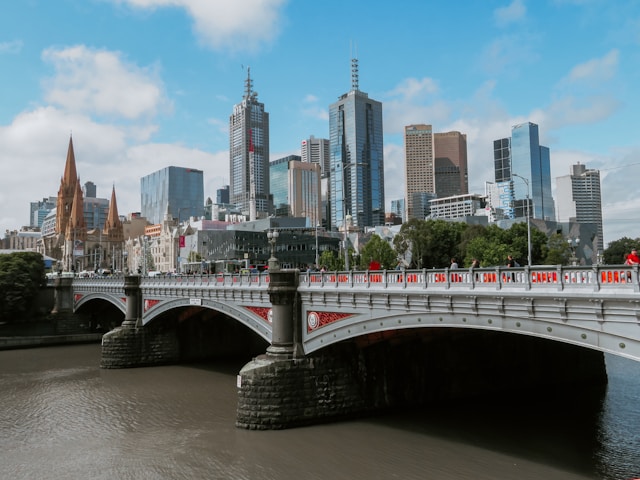
When you picture Melbourne, you might imagine these chic cafes you’ve quite heard of or seen in movies, boutique shopping and high-end experiences. But here’s the secret that we’ve always wanted to share; the city also offers world-class sights for free. YES!!!! FOR FREE…… You must be planning to Melbourne for a business trip or solely for a leisurely weekend, there’s plenty to explore without opening your wallet.

Can you believe that for the year ending June 2025, Victoria’s tourism spend reached an incredible $43.7 billion, with 114.9 million total visitors and 168.5 million visitor nights? These impressive figures prove just how magnetic Melbourne is for travellers from all walks of life. In this article, we’ll take you through the best free places to visit in Melbourne, share insider tips to make the most of your trip, and show how airssist.aero can be your trusted travel partner, making every moment in this ever colorful city, affordable,unforgettable, and just perfect!

1. Royal Botanic Gardens Victoria (Melbourne)

Opening Hours: Usually early morning until sunset (exact times vary seasonally).


Why It’s Important & Adds Value:


One of the best free things you can do in Melbourne is explore the Royal Botanic Gardens Victoria, a cherished part of the city’s cultural fabric for almost 180 years. Loved by generations of Victorians and visitors alike, this 38-hectare sanctuary on the edge of the CBD offers a picturesque escape filled with lakes, lawns, and winding trails. 

What you can expect to see in the Royal Botanic Gardens Victoria is a stunning diversity of over 8,500 plant species from across the globe, including camellias, lush rainforest flora, cacti, succulents, and rare or threatened plants from south-eastern Australia. Located in Melbourne’s lively arts precinct, the Gardens are just a short walk from iconic landmarks such as the Shrine of Remembrance, the Arts Centre, and the National Gallery of Victoria – making it an ideal spot to take a relaxing break amid your city explorations.


Who Can Enjoyt: Leisure visitors | families | nature lovers | students | and even business travellers. 

Best Time to Visit Within Day: Early morning for serenity; late afternoon for light and fewer people.


Nearby Eats & Extra Activities:


Close by are cafés on Domain Road for brunch or coffee. Afterwards, you may combine your visit with the nearby National Gallery of Victoria (free entry wing) for culture.

2. Federation Square

Opening Hours: Public space accessible 24/7; most internal venues operate approximately 10 am–5 pm.

Why It’s Important & Adds Value:


Another great place to be for free in Melbourne is Federation Square, the city’s rich cultural and social hub. Since it opened in 2002, it has quickly become a favourite spot for both locals and visitors, offering free events, exhibitions, and live performances all year round.  In January 2025 the square welcomed Robbie Williams for a free outdoor concert promoting his biopic Better Man, drawing thousands of fans and prompting city road closures. Earlier in May 2024, the annual Korea Festival celebrated its 10th year at the square with K‑pop competitions, traditional dances, music and Korean food all free and family‑friendly. With its striking architecture, prime riverside location, and a calendar full of free culture, Fed Square gives you a taste of Melbourne’s buzzing urban life all without spending a cent.


Who Can Enjoy;

Anyone seeking a central, accessible spot | business travellers on a short schedule | families looking for a lively outing | solo explorers | or tourists wanting to experience Melbourne’s heart.

Best Time to Visit Within Day:


Mid-morning for a quieter experience, or early evening to enjoy sunset reflections on the Yarra River and the city lights coming alive.

Nearby Eats & Extra Activities:


The area is packed with cafés, bars, and casual eateries, particularly along Southbank. After exploring the square, you can enjoy a scenic walk along the Yarra River, or pop into the Ian Potter Centre: NGV Australia (free entry for the permanent collection) for a cultural bonus.


3. National Gallery of Victoria (NGV)

Opening Hours: Typically 10 am – 5 pm daily (check for special exhibitions).

Why It’s Important & Adds Value:


Inside the NGV you’ll find access to world‑class art spanning from Australia to around the globe – and entry to the permanent collection is free. For instance, the recent “Yayoi Kusama” exhibition (15 Dec 2024–21 Apr 2025) broke attendance records, with more than 570,000 tickets sold, making it the most‑visited art exhibition in Australian history. Another highlight of this free yet interesting place to visit in Melbourne is that the free “NGV Triennial” exhibition attracted over 1 million visitors. Pretty interesting! Whether you’re an art lover or simply looking for a meaningful, no‑cost activity in Melbourne, the NGV adds enormous cultural value.

Who Can Enjoy: Art lovers | culture seekers |students |  solo explorers | essentially anyone looking to engage with high‑quality art without a ticket price.

Best Time to Visit Within Day:


After lunch (around 1–2 pm) tends to be quieter – perfect for browsing the galleries with fewer distractions.

Nearby Eats & Extra Activities:


The National Gallery of Victoria (NGV) is located on St Kilda Road, so you’ll find plenty of cafés and eats nearby to pair with your visit. You might stop by the in‑house Garden Restaurant NGV, which overlooks tranquil gardens and has an elegant setting. Alternatively, for something more casual, there are great spots just along the street like the aptly‑named Tea Room NGV or Café 441 that offer relaxed meals with a creative menu. After lunch, you could walk into the adjacent parklands or meander into Melbourne’s iconic laneways for a bit of urban exploration – making the visit both full and free of stress.


4. Hosier Lane & Street-Art Laneways

Opening Hours: Public laneway, accessible 24/7 (daylight hours recommended for safety and photos).

Why It’s Important & Adds Value:


Now, one other amazing thing you could try out while in Melbourne is that Melbourne’s laneway culture is legendary, and Hosier Lane stands at its vibrant core – an ever-evolving open-air gallery bursting with creativity and colour. The walls are constantly refreshed with murals, stencils, and graffiti by celebrated artists like Rone and Adnate, making no two visits ever the same. The lane has also hosted major street-art festivals such as All Your Walls, which saw over 100 artists repaint the entire space in one weekend, and it has even featured works by the elusive Banksy, drawing global attention. A favourite backdrop for photos, film shoots, and cultural events, Hosier Lane perfectly captures Melbourne’s artistic spirit  – free, raw, and endlessly inspiring. 

Who Can Enjoy:


Younger travellers | Social‑media seekers | Art enthusiasts | Anyone looking for an off‑beat, photogenic experience in the heart of Melbourne.

Best Time to Visit Within Day:


Late afternoon offers the best light to capture the art in all its colour and depth. Alternatively, early morning (before the crowds arrive) is ideal for a quieter stroll.

Nearby Eats & Extra Activities:


Just around the corner is the quite popular Degraves Street, filled with cafés and brunch spots – perfect for a relaxed coffee break. You can also wander into adjacent lanes like AC/DC Lane to discover more murals and urban architecture.


5. Queen Victoria Market (Browsing)

Opening Hours: Market days are typically Tuesday, Thursday, Friday, Saturday & Sunday (approximately 9 am to 3- 4 pm) – check the official site for the most up-to-date hours.

Why It’s Important & Adds Value:


Now if you’re wondering whether browsing in Melbourne can really be free – of course it can be! Let us show you why the Queen Victoria Market is such a gem. Walking through this iconic market gives you a genuine slice of Melbourne life – without necessarily spending a cent. With over 600 stalls full of fresh produce, artisan crafts, vintage treasures, and quirky souvenirs, you’ll soak up the city’s culture, energy and history just by being there. For example, the market hosts colorful events like the free two-day Mid-Autumn Moon Festival with live lion dancing, traditional performances and mooncakes. There’s also the Fringe Flavours Night Market, a springtime collaboration featuring pop-up stages, street food and live entertainment – all free to enter. It’s not just a market – it’s an experience.


Who Can Benefit:


Budget travellers | families looking for a fun outing | and anyone with a passion for food culture or local markets.

Best Time to Visit Within Day:


Go early morning for the freshest produce and fewer crowds; or around midday when the market atmosphere is buzzing and full of energy.

Nearby Eats & Extra Activities:


Within the market are food-stalls perfect for a quick snack or treat. After browsing, you can head into the nearby Northern Quarter cafés for coffee or brunch, or explore some of Melbourne’s shopping streets for something extra. 

6. City Circle Tram (Free Tram Zone)

Opening Hours: Runs daily approx 10 am – 6 pm; until ~9 pm Thursday–Saturday.


Why It’s Important & Adds Value:


The City Circle Tram isn’t just free transport – it’s a fun, heritage sightseeing experience rolled into one. Running every 12 minutes, the historic W-Class trams loop past Melbourne’s major CBD landmarks like Federation Square, Flinders Street Station and the docklands area, with an audio commentary pointing out highlights throughout the ride. You may be travelling with friends, family or on your own, it can be surprisingly fun – hop on, enjoy the ride, take photos from your seat, hop off where you like, then hop back on. All of that for zero cost, making it a perfect pick for anyone wanting to explore Melbourne’s best sights with ease and charm.

Who Can Benefit: First-time visitors | business travellers with limited free time | families.


Best Time to Visit Within Day: Mid-morning for fewer crowds.


Nearby Eats & Extra Activities

Hop off at Flinders Lane for cafés, or Bourke Street Mall for shopping. Use one stop as a gateway to one of the above attractions.

How airssist.aero Becomes a Practical Solution for Every Traveller

Wondering why you should partner with airssist.aero? There’s a reason why airssist.aero makes the best choice compared to competitors. As you land in Melbourne airport, you get to take control of your travel experience if you’ve already partnered with airssist.aero – your all-in-one solution for a perfect trip. From meet-and-greet services and porter assistance to luggage handling, elderly and special needs support, fast-track security, and even VIP terminal access, our thoughtful team ensures your arrival is better than what you’ve expected it to be! And if you’re planning to explore more than Melbourne’s free attractions, we got you covered!!! You can enjoy private transfers around the city, giving you the flexibility to hop between landmarks, laneways, gardens, and markets without worrying about transport. Business travellers, leisure seekers, and families alike can maximise their time, combining comfort, convenience, and free city highlights.

Take charge of your Melbourne visit today – book with airssist.aero and transform your trip into a truly memorable experience, where fun, convenience, and a touch of luxury go hand in hand!


FAQ

Are these attractions really free?

Yes, the core access to each listed attraction is free of charge. Special exhibitions, guided tours or premium services may require payment, but you can enjoy the main experience at no cost.

How can I move around Melbourne without spending much on transport?

Much of central Melbourne falls within the Free Tram Zone, and the City Circle Tram itself is free. These make many of the free attractions very accessible for minimal cost.

What’s the best season to enjoy outdoor free spots in Melbourne?

Late spring (October – November) and early autumn (March – April) are ideal for good weather and moderate crowds.

I’m only in Melbourne for business, can I still see these free places?

Definitely. Most attractions are in or near the CBD. With efficient time-management (and services like airssist.aero), you can squeeze in a free experience around your meetings.

Are there free spots outside the main city centre?

Yes, Melbourne and Greater Victoria have many free spots beyond the CBD. But for convenience, this list focuses on central, easy-access locations.

It’s February again – the month of romance, rhythm, and wanderlust! You may be dreaming of dancing through a carnival in Brazil, swaying to live music under golden skies, or escaping somewhere magical with the one you love. February invites you to explore the world at its most captivating. It’s that perfect bridge between seasons – snow-dusted adventures in the north and sun-drenched escapes in the south. According to the International Air Transport Association (IATA), global air-passenger demand in February 2024 surged by 21.5%, with international travel soaring 26.3%. 

There’s something undeniably special about this time of year – crazy travel fans of February who know it’s one of the best months to explore. This blog is for them, and for you, ofcourse: the dreamers, adventurers, and romantics ready to discover the best places to visit in February. From tropical beaches and snowy cities to cultural festivals and hidden hideaways, we’ll take you on a journey across the globe. And because every unforgettable trip begins the moment you step into the airport, discover how airssist.aero can transform your travel with the art of VIP airport services. You may be escaping winter, chasing color, or seeking calm – February is the perfect time to fly, and we’re here to fabricate your journey exceptionally from start to finish.


1. The Maldives  – Paradise in Peak Perfection

Ah!!! Those white sandy beaches, the kind that make you kick off your shoes and sink your toes into perfection, and the crystal-clear turquoise lagoons stretching endlessly – the Maldives in February is nothing short of paradise. Waking up in an overwater villa with sunlight sparkling on calm waters, you can snorkel among vibrant coral reefs, spot manta rays and turtles, or simply lounge on powdery beaches under the warm sun. February’s weather is ideal – around 30°C, low humidity, and minimal rain – making it perfect for relaxation, diving, and romantic escapes. The combination of serene surroundings and natural beauty makes it a haven for honeymooners and travelers seeking tranquility.

Traveling to and around the Maldives is as effortless as it is enchanting. Most visitors arrive at Malé International Airport and then transfer by seaplane or speedboat to their resort islands, where life slows to the gentle rhythm of the waves. The Maldives is celebrated for its world-class hospitality, luxury resorts, and personalized service, which is why travelers consistently leave glowing reviews. In February 2024 alone, the islands welcomed 217,391 tourists, marking the highest number of arrivals in a single month and highlighting the nation’s enduring appeal.

Why is February the best time to visit?  Offers peak weather conditions.


2. Rio de Janeiro, Brazil – Where the World Dances

As far as February travel is concerned, few destinations rival the energy and spectacle of Rio de Janeiro. The best thing about this place is that the city comes alive with its world-famous Carnival, a dazzling celebration of color, rhythm, and joy that sweeps through streets and neighborhoods alike. Samba drums echo from every corner, dancers in elaborate costumes weave through the crowds, and the contagious excitement draws travelers and locals into an unforgettable experience. Beyond the festival, Rio offers breathtaking natural beauty: golden beaches at Copacabana and Ipanema, panoramic views from Sugarloaf Mountain, and the iconic Christ the Redeemer statue standing watch over the city. February’s warm, lively weather perfectly complements the festivities, creating a month-long celebration of sun, culture, and movement.

Getting around Rio during this peak season is both manageable and part of the adventure. Most visitors fly into Rio de Janeiro–Galeão International Airport and reach their accommodations via taxi, private car transfers, or metro. The city boasts a range of hospitality options, from luxury beachfront hotels to boutique stays in vibrant neighborhoods, all offering the warmth and charm Brazil is known for. With Carnival drawing immense crowds, securing lodging and event tickets months in advance is essential. Travelers consistently praise Rio for its electrifying atmosphere, stunning scenery, and cultural richness, making a February visit a truly immersive and unforgettable experience.

Why is February the Best Time to Visit? Experience Carnival at its peak and enjoy Rio’s warm, festive weather.


3. Egypt – Timeless Treasures Under Gentle Sun

Pyramids… you say! In February, Egypt’s ancient wonders stand bathed in gentle sunlight, inviting travelers to explore without the searing heat of summer. The Pyramids of Giza rise majestically against the golden desert, while Cairo buzzes with life, offering a fascinating blend of history and modernity. Further south, Luxor and Aswan reveal the heart of ancient Egypt, where temples, tombs, and monuments along the Nile River whisper tales of pharaohs and civilizations past. A serene Nile cruise lets you drift past riverside villages with a mint tea in hand, and evenings at Luxor Temple or the Karnak Temple Complex glow magically beneath the stars.

Traveling across Egypt in February is smooth and enriching. Visitors typically arrive via Cairo International Airport or Luxor International Airport, with domestic flights, trains, and guided tours connecting major sites. Egypt’s hospitality – from luxury Nile cruises to boutique hotels in Cairo and Aswan – ensures comfort at every step. For a complete experience, many travelers combine sightseeing with a few days on the Red Sea coast in Hurghada or Sharm El Sheikh, enjoying world-class diving and beach relaxation. The combination of mild weather, smaller crowds, and timeless monuments consistently earns Egypt glowing reviews from visitors.

Why is February the Best Time to Visit?  Mild temperatures (20–25°C) and fewer crowds make sightseeing pleasant.


4. Tromso & Finnish Lapland – Where the Lights Dance

Snow, silence, and the dance of lights – February in Tromso and Finnish Lapland is nothing short of magical. The Arctic skies come alive with the swirling greens and violets of the Northern Lights, a celestial spectacle that leaves even seasoned travelers in awe. By day, the snow-draped landscapes beckon for adventure: dog-sled across frozen lakes, visit reindeer farms, or try snowmobiling through pristine wilderness. Nights are spent in cozy glass-roofed igloos or remote lodges, where you can watch the aurora shimmer overhead from the warmth of your bed. The quiet of the north – the crunch of snow underfoot, the stillness of endless white forests – creates a profound sense of peace and wonder.

Traveling in February is ideal for those seeking both adventure and comfort. Most visitors fly into Tromso Airport in Norway or Rovaniemi Airport in Finnish Lapland, then transfer to lodges or igloo resorts via snowmobile, shuttle, or guided tours. The region’s hospitality is renowned, with lodges and hotels offering warm, personalized service and local experiences that make each stay memorable. February’s long nights, steady cold, and clear skies provide prime conditions for aurora-spotting, while daytime activities showcase the Arctic’s natural beauty and culture. Travelers consistently praise the Northern Lights, snowy adventures, and immersive Arctic experiences, making this a February destination like no other.

Why is February the Best Time to Visit? Long nights and clear skies create optimal conditions for viewing the Northern Lights.


5. Cádiz, Spain – A Carnival of Culture

Pyramids … you say! In the charming Andalusian coastal city of Cádiz, February brings not just a mild temperature of 15–18 °C, but an explosion of colour, satire and rhythm during its renowned Carnival. Streets fill with satirical musical groups – chirigotas, comparsas and quartets –  while costumed revelers pack the promenades by the Atlantic, creating an atmosphere that is both festive and deeply rooted in local tradition. Beyond the celebrations, Cádiz invites you to wander winding alleys of the old town, stroll along the ocean‑view promenade and settle into a tapas bar to savour seafood paella as the sunset turns the sea gold.

Marked as a “Tourist Interest” event, the Carnival of Cádiz draws upwards of 250,000+ visitors annually, generating millions in regional tourism revenue. Also, in a brochure from the city’s tourism board, it is stated that the contest at the Gran Teatro Falla “attracts hundreds of thousands of visitors over its 20‑day duration.”

Why February is the Best Time to Visit? Pleasant winter weather combined with vibrant street‑festival culture.


Tanzania

6. Northern Tanzania – Safari in the Serengeti

In February, Northern Tanzania transforms into a wildlife paradise. The Serengeti National Park comes alive with the calving season, as thousands of wildebeest and zebras give birth across the golden savannas, attracting predators and creating extraordinary safari moments. Early mornings in an open-top jeep reveal elephants strolling among acacia trees, lions resting under the warm sun, and giraffes silhouetted against endless skies. Every drive feels like stepping into a living documentary, where nature’s drama unfolds in real time. After a few days immersed in the wild, travelers often head to Zanzibar, where turquoise waters, white-sand beaches, and spice-scented breezes offer a perfect contrast to the plains.

Travel to and around Northern Tanzania is straightforward. Most visitors fly into Kilimanjaro International Airport or Arusha Airport and transfer to lodges or camps in the Serengeti, Ngorongoro, or Tarangire. February’s dry weather ensures excellent visibility for wildlife spotting, and eco-friendly lodges emphasize sustainable tourism, blending adventure with responsibility. Tanzania’s hospitality is exceptional, and in 2025 the country recorded over 5.3 million tourist arrivals, reflecting its enduring appeal.

Why is February the Best Time to Visit?  Dry conditions for clear skies, easier wildlife spotting, and the thrilling calving season.


7. Québec City, Canada – A Snowy Fairytale

This will certainly be a memory you’ll keep forever. In February, Québec City transforms into a snow-draped wonderland where cobblestone streets glisten under freshly fallen snow and centuries-old stone buildings glow warmly against the crisp winter air. The Québec Winter Carnival turns the city into an exceptional celebration with dazzling ice sculptures, lively parades, and festive outdoor parties that warm the heart even as the temperatures dip below freezing. Cozy up with a cup of hot chocolate while wandering Place Royale, explore the charming boutiques along rue Saint‑Jean, or stay in iconic hotels like Fairmont Le Château Frontenac or Auberge Saint‑Antoine for a touch of historic luxury. For a truly unique experience, spend a night at the Hôtel de Glace, North America’s only ice hotel, where artfully carved ice walls and frosted décor create a magical escape.

February is the perfect month to visit because the city’s winter magic is in full swing, yet crowds are manageable compared to the holiday season. The Winter Carnival attracts tens of thousands, offering experiences like ice canoe races, night parades with Bonhomme Carnaval, and spectacular ice sculpting competitions on Place des Festivals. Temperatures usually range from −8 °C to 0 °C, so pack warm layers and sturdy boots. Staying in the Old Québec area keeps you close to major attractions, festive events, and quaint cafés, making it easy to soak up both the history and the lively carnival atmosphere.

Why is February the Best Time to Visit? Full winter charm plus the excitement of the Winter Carnival. 

8. Adelaide, Australia – Where Summer Meets Creativity

While the northern hemisphere shivers, Australia basks in summer sunshine. In February, Adelaide comes alive as one of the world’s most vibrant cultural hubs during the Adelaide Fringe Festival – a month-long extravaganza of art, music, comedy, and performance. Streets teem with outdoor stages, street art, and international talent, creating an infectious energy you can’t help but soak up.

Beyond the city, the Barossa Valley and McLaren Vale roll out world-class vineyards and gourmet dining experiences, perfect for indulging your taste buds. For a dose of sun and sea, Glenelg Beach is just a short tram ride away, offering golden sands, spectacular sunsets, and surf-ready waves.

Why is February the Best Time to Visit? Warm, dry weather and the vibrant energy of the Adelaide Fringe Festival make February the perfect month to experience the city’s culture, beaches, and nearby wine regions.

Travel Made Effortless with airssist.aero

February may be the shortest month of the year, but it’s overflowing with travel possibilities – from chasing the sun in the Maldives and Australia, reveling in Rio’s Carnival or Québec’s Winter Carnival, to embracing snow adventures in Lapland or Canada. No matter your destination or desire, airssist.aero with full force is right here to help you push the boundaries  safely every step of your journey. Our expert team of professionals operates across all these destinations and beyond, ensuring your airport experience is perfect with VIP meet-and-greet services especially if it’s your first time traveling, porter assistance, luggage handling, access to private lounges and terminals, personal shopping, and private transfers from airport to hotel or onward destinations. 

Our well specialized, multilingual staff excel at supporting families with kids, large groups, students, or business travelers seeking a leisure break, taking care of all logistical needs – from negotiation and local expertise to smooth navigation of airport formalities. With airssist.aero handling the details, your February escape transforms into a worry-free, luxurious adventure, letting you fully immerse yourself in the season’s festivals, sunshine, or snow – and creating memories that will last long after winter fades. 


It can be a real discussion with the right audience! How to handle travel risks and emergencies during corporate travel? So what are these risks and emergencies, especially during corporate travel? In today’s interconnected business world, companies send employees across continents multiple times a year – and with every trip comes a range of risks. A recent study found that 89% of business travellers faced disruptions in 2025, from cancellations to delays, while over half of all travel emergencies in 2024 were medical in nature. Although most corporate trips go just perfect, even a single unexpected incident can derail business plans and affect traveller safety.


In this blog, we’ll explore how these risks can be identified and managed – from medical emergencies and security issues to logistical setbacks and cyber threats. We’ll also discuss how partnering with airssist.aero can help you stay a step ahead, offering 24/7 support and premium airport concierge services that make travel safer and smoother. Keep reading to discover how to plan smarter and strengthen your company’s duty-of-care strategy. 


Understanding Common Corporate Travel Risks

Visa and Entry Requirements

One of the most unpredictable parts of international travel is dealing with visa and entry requirements. Even well-prepared travelers can face unexpected delays or denials, as rules and processing times often vary between countries and can change without much notice.

For example, the U.S. B1 Business Visa – for short-term business trips like meetings or conferences – had a 21.2% refusal rate in 2024 (8,487 refusals out of 40,031 applications), up from 16.3% in 2023. These numbers highlight how uncertain visa outcomes can be, even for legitimate business travelers.

A visa denial can lead to missed opportunities and disrupted schedules. To minimize these risks, it’s important to apply early, ensure documentation is accurate, and stay updated on the latest entry requirements. 


Legal Restrictions at Airports

Legal restrictions at airports can pose a real risk for travellers – often in ways you might not expect. For example, under the Civil Aviation Act 2023 in New Zealand, the definition of “security area” has been expanded and the powers of aviation security officers increased significantly. These changes now allow authorities to search electronic devices (though not access the data on them) and treat landside zones (not just airside) as restricted areas.

Another high‑impact example: at Dublin Airport, a data breach through a third‑party supplier potentially exposed around 3.8 million passenger journeys from August 2025. That means travellers who assumed everything was handled smoothly could face unforeseen consequences – identity theft, disrupted plans, or issues stemming from compromised personal data.

It’s wise to stay aware of these legal restrictions or work with a trusted VIP concierge service to address them proactively and avoid potential issues before they arise.


Balancing Urgent Meetings and Airport Protocols

For corporate travelers, managing urgent meetings during travel can be tricky. Airport security, terminal transfers, and boarding schedules leave little flexibility, turning what should be a quick meeting into a stressful balancing act. Even small delays can disrupt carefully timed appointments, making it difficult to stay productive while in transit.

To address this, several airports now offer fully equipped meeting spaces within terminals. Singapore Changi Airport, Seattle – Tacoma International Airport, Amsterdam Schiphol Airport, and Zagreb Franjo Tuđman Airport provide private rooms and meeting spaces, AV equipment, and business lounges that can be booked in advance via airssist.aero. While these facilities help maintain productivity, failing to plan ahead can turn urgent airport meetings into missed opportunities, highlighting the challenge of balancing business etiquette with travel protocols.


Communication Barriers for Some Nationalities

When corporate travellers from certain nationalities engage in international meetings or site‑visits, language and cultural communication barriers become significant risks. Studies show that non‑native English speakers often feel excluded or overlooked in business contexts – one report found that 64% of non‑native English speakers felt excluded or misunderstood during onboarding. Specific nationalities that may face steeper challenges include travellers from China, India, Pakistan and Bangladesh, where English proficiency is lower and cultural communication styles differ from those of typical Western business norms. 

These communication challenges can lead to tangible business risks: delayed decisions, mis‑interpretations in contracts or meetings, missed opportunities, and relationship strain. For a business traveller whose meeting schedule is tight and whose agenda expects precise negotiations, these barriers can translate into lost time, unclear expectations, and cultural misunderstandings. As booking.com states, “the time spent correcting confusion with overseas clients causes missed opportunities and lost contracts.”


Transportation and Traffic 

Getting from the airport to your meeting venue (or from one appointment to the next) is often treated as a routine step in travel – but it’s anything but routine for corporate travellers. Traffic congestion, unpredictable transit systems, and ground-transport delays can turn a well-timed schedule into a scramble. In fact, ground transportation is frequently overlooked in corporate travel risk plans: one report found that although 85% of travel programmes include risk-related provisions for business trips, only around 55% regularly address ground transport safety. 

Moreover, the cost of these delays and disruptions is steep. According to a recent survey, 89% of business travellers said they experienced travel disruptions in 2025 – including missed connections, traffic delays, or transit issues. For companies, that translates into lost productivity, missed meetings and higher contingency expenses. Ground transport isn’t just “getting you there” – it’s a significant risk node in business travel where planning, buffers and vendor selection matter.


Safety and Insurance  

So, when it comes to corporate travel, safety and insurance are two sides of the same coin –  both critical but often underestimated. On the safety front, a major study on business travel key risks found that 45% of business travellers ranked terrorism as their greatest safety concern, compared to only 15% for street crime and 13% for illness.
On the insurance side, nearly 14% of Australian travellers said they travelled overseas without any travel-insurance cover, and among younger travellers (under 30) this rose to 23%. 

What does this mean for businesses? It means if you send an employee overseas and they fall ill, are injured, or face a security incident  you may face medical evacuation, liability issues, reputational damage, or unbudgeted costs. For corporate travel, the takeaway is clear: robust duty-of-care protocols must include verified insurance coverage (that includes high-risk destinations, evacuation, interruption) and safety planning from pre-travel briefings to real-time support. 


Currency and Payment Issues

Handling currency and payment issues is a key challenge for corporate travellers that’s often underestimated. As companies expand globally and employees travel across borders, the risks around foreign exchange fluctuations, conversion fees, and payment-method limitations become real operational headaches. 

For the travelling employee, these issues can translate into budgeting shortfalls, unexpected out-of-pocket costs, difficulty in expense reconciliation, and delays waiting for reimbursement. A survey by BCD Travel found that 79% of business travellers use a corporate credit card, yet one in six reported falling victim to credit-card fraud on a trip. That means firms need robust policies and travellers need pre-travel preparation: confirm which payment methods are accepted at destination, ask about foreign-transaction fees, ensure you’re charged in the local currency when possible, and consider using multi-currency cards or apps. Without this, currency and payment issues can quietly erode profit margins and create a real travel risk.


Work-Life Balance and Jet Lag  

For business travellers, the rush of meetings, tight schedules and recurring flights can throw work-life balance off course. According to the Global Business Travel Association (GBTA) poll, 45% of professionals said they almost always work longer hours than they’d like or miss out on personal time because of travel. What starts as a one-off trip often evolves into a cycle of exhaustion – returning home to unexpected chores, catching up on missed family time, and preparing for the next journey before you’ve even settled in.

Then there’s jet lag. Combine that with the demands of back-to-back meetings and the result is reduced productivity, increased fatigue, and greater risk of burnout. For corporate travellers, both work-life imbalance and jet lag aren’t just inconveniences – they’re risks to performance, wellbeing and long-term engagement.


Emergency Preparedness 

For corporate travelers, emergencies can range from flight cancellations and natural disasters to medical incidents or political unrest. Yet many companies still lack clear, proactive response plans. A survey found that only 44% of organizations clearly communicate what to do in an emergency, and just 53% have a central contact system for travelers in distress. This lack of preparedness leaves employees vulnerable and companies exposed to duty-of-care risks.

Meanwhile, 82% of business travelers say it’s important for their employer to know their travel plans in advance, but less than half of organizations actually track them. This gap between expectation and action highlights why structured emergency protocols – covering communication, tracking, and on-call support – are essential. Proper preparation not only ensures traveler safety but also protects the company’s operations and reputation during crises.


When Connectivity Fails

In today’s business-travel world, connectivity isn’t just a convenience – it’s essential. Yet for many corporate travellers, unreliable mobile data, patchy Wi-Fi, and unclear internet regulations can quickly become major hurdles. A connectivity survey found that 66% of businesses experienced internet dropouts, and 63% lost sales or customers due to connection issues. Meanwhile, a study of business travellers revealed that 65% felt nervous about data safety when working online while travelling.

Adding to the risk are varying international regulations around data privacy and internet use. Many companies find themselves vulnerable because they don’t fully understand how local laws affect device usage, cross-border data transfers or public Wi-Fi access. One survey showed less than one-third of business travellers are required to use two-factor authentication while on the road. When connectivity fails or regulations aren’t followed, it’s not just a missed email -it can mean compromised data, liability for the company, and lost productivity.


The Impact of Travel Emergencies on Businesses

Upon exploring the risks and challenges, two things may pop up in our minds. How can a travel risk impact business just as it does to corporate travelers? And How to prevent or tackle these? So moving ahead with the first, travel emergencies can truly strike at the heart of corporate operations, and these ripple effects can be quite intense. When business travellers face delays or disruptions, from missed flights to route changes the costs aren’t just about extra hotel nights or rebooking fees. Ofcourse, lost productivity mounts as meetings are missed or postponed, decisions stall, and project timelines extend. According to industry guides as booking.com, such disruptions carry high financial stakes and reputational consequences.

Beyond the numbers, there’s an emotional and mental toll borne by the travellers themselves. Executives and staff caught in travel uncertainty often experience heightened stress, anxiety and a sense of isolation: they’re away from home, under time pressure, and may feel that their employer isn’t fully in control of the situation. That chimes with findings that inadequate travel risk management undermines employee confidence and morale.

Poor risk management in travel not only affects budgets and individual wellbeing, but can also damage a company’s reputation and erode employee trust. When a business lacks a clear duty-of-care framework such as tracking travellers, preparing contingency plans or responding quickly in crisis, it signals to staff and external partners that the organisation isn’t fully on top of its obligations.

Australia’s third-largest travel buying group, CT Partners, warns that ignoring professional travel support in today’s volatile world is a costly mistake. CEO Matt Masson emphasizes that corporate travel is no longer about convenience but about capability – ensuring travellers’ safety, managing disruptions, and mitigating risk exposure. Representing 33 major travel management companies and handling over 1.4 million travellers annually with a TTV exceeding $2 billion, CT Partners views travel as a strategic enabler, not an expense. Echoing this, Baris Celik, Director of Operations APAC at TAG, notes that the cost of a missed flight may be minor, but the cost of a lost client due to delays can reach hundreds of thousands. As Celik puts it on Global Travel Media, “A delayed arrival isn’t just inconvenient – it can mean lost business or stranded staff,” underscoring the emotional, operational, and financial stakes of modern corporate travel.


How to Prepare and Overcome Travel Risks and Emergencies


Focus AreaKey ActionsDetails & Expert Insights
1. Develop a Comprehensive Travel Risk Management Plan (TRM)• Establish incident management and crisis communication protocols.

• Conduct regular reviews and scenario testing.

• Align policies with ISO 31030 travel risk guidelines.

A structured TRM plan helps companies anticipate and reduce potential travel risks. As highlighted by Sara Benwell, a seasoned editor and journalist specializing in risk management in Strategic Risk (2023), this is essential to meeting corporate duty of care obligations and protecting employees.
2. Pre-Trip Research & Preparation• Research local laws, political stability, and health systems.

• Assess environmental and cultural risks.

• Provide destination-specific briefings to employees.

Tackling unfamiliar diseases or limited healthcare abroad through pre-trip research helps mitigate these risks before departure.
3. Travel Insurance & Emergency Protocols• Secure comprehensive travel insurance covering medical, evacuation, and cancellation scenarios.

• Set up 24/7 emergency contacts and support channels.

• Establish clear internal communication flow for emergencies.

Insurance and response plans minimize financial loss and stress during crises. They also reinforce an organization’s reliability and care for its travelers.
4. Leverage Technology for Real-Time Safety• Use travel tracking tools and alert systems.

• Implement secure communication platforms.

• Provide live updates on routes, weather, and local conditions.

Live travel assistance apps significantly enhance traveler safety and reduce anxiety, providing real-time support and emergency assistance. Kate Fitzpatrick, Regional Security Director at World Travel Protection, urges all business travelers to use these apps. However, only 20% currently do, highlighting the need for organizations to promote their adoption for safer, more confident travel.
5. Partner with Reliable Travel Concierge Providers• Engage professional concierge services for airport fast-track, luggage handling, and ground transfers.

• Offer 24/7 assistance for emergencies and rebooking.

• Manage all traveler needs from arrival to departure.

Concierge partners provide exceptional end-to-end care, ensuring executives are safe and focused on business while all logistical and risk-related aspects are managed professionally.
6. Continuous Traveler Support & Communication• Maintain ongoing contact during trips.

• Offer mental health support and check-ins.

• Debrief travelers post-trip for feedback and updates.

A culture of care builds employee trust and confidence in the company’s travel management approach. This aligns with global best practices for safety and wellbeing.


airssist.aero’s Hand in Travel Risks and Emergencies

We can guess  what must be running through your minds as you prepare for your next business trip! With all the information you’ve read so far + flights delayed, lost luggage, or unexpected emergencies can be all overwhelming but our experienced staff at airssist.aero has you covered. As a VIP concierge service, we take every risk and emergency seriously, tailoring support to each corporate traveler’s needs. From tarmac transfers, porter assistance, fast track, meet and greet, VIP terminals, and transportation, to lounge care with any meeting space requirements, and refreshments during emergencies, we handle it all. Let airssist.aero make your travel perfect and worry-free, contact us today to experience true VIP support. Do you know what’s even special? We offer post trip support for corporate travelers…!!!!!! YES, you heard it right! Stop feeling insecure, and start planning today!


FAQs

Why do corporate travelers often feel nervous about business trips?

It’s natural to feel uneasy when traveling for work – especially with today’s unpredictable conditions. Flight cancellations, health concerns, and geopolitical risks can cause anxiety. Many professionals worry about being far from familiar support systems or not knowing what to do if something goes wrong.

How can I prepare for travel risks before my trip?

Preparation is key. Always research your destination’s safety conditions, local laws, and healthcare facilities. Enroll in a corporate travel risk management plan if your company provides one, and make sure your travel insurance covers medical and emergency situations.

What should I do if I face an emergency during travel?

Stay calm and contact your company’s emergency response team or travel management provider immediately. Keep a copy of all emergency contacts – both local and corporate, handy. If you’re using a concierge or travel risk partner like airssist.aero, they can coordinate ground assistance, fast-track airport services, and immediate care in lounge areas until help arrives.

How can technology help manage travel risks?

Use travel safety apps that provide real-time alerts, tracking, and communication tools. These platforms help both you and your company monitor your journey and respond quickly to disruptions or safety threats.

What role does airssist.aero play in handling travel emergencies?

airssist.aero goes beyond convenience it’s about care and safety. Our VIP concierge team assists with almost every aspect to serve you during a travel risk or an emergency. In emergencies, we ensure travelers are safe and have access to lounges, refreshments, and immediate on-ground support until the issue is resolved.

Sure, we know why most people flock to Brooklyn: the sunshine on the waterfront, rooftop views, legendary pizza slices, and that unmistakable neighborhood vibe. But there’s more to this borough than the classic photo-ops. For those willing to explore, Brooklyn is a world of its own – lush parks like Maria Hernandez Park in Bushwick, vibrant cultural experiences at venues such as film screenings across the city. Food lovers can dive into distinctive flavors, from Persian restaurants in Bushwick to the eclectic tastes defining modern New York. And for those who avoid the subway, like some claustrophobic travelers, getting around can be an adventure in itself, revealing Brooklyn’s charm at every turn.

Over 56 million visitors explored New York City in 2022, with Brooklyn leading the borough boom as travelers increasingly sought out local culture, dining, and waterfront attractions. It’s easy to see why: from historic brownstones to buzzing food hubs, Brooklyn captures both the heart and the appetite.

So why we created this blog is to educate you with the top 7 fun things to do in Brooklyn from parks to food markets, giving you the best mix of culture, flavor, and fun. And to make your trip extraordinary from the moment you land, airssist.aero extends a warm welcome by way of VIP concierge services including personalized and customizable airport services. Want to know more? Keep reading and find out how you can shake stress off your shoulder and embrace some real fun!

  1. Stroll through Prospect Park

If you’re looking for a break from the urban buzz of Brooklyn, Prospect Park is your remedy. Designed by Frederick Law Olmsted and Calvert Vaux (the same landscape architects behind Manhattan’s Central Park), this 585-acre green space opened its first section to the public on October 19 1867. With expansive meadows, quiet woodlands, and a scenic lake, the park brings a slice of nature into Brooklyn’s heart -and it’s one of the most fun, versatile things you can do while visiting the borough.

Why it’s fun:

  • You can wander along winding paths, spread out on the Long Meadow for a picnic, or just lounge under trees and soak up the outdoors.
  • Families with kids will appreciate playgrounds and open lawns; groups of friends will love afternoon chill-outs on the grass.
  • Dog owners traveling with them can bring their pets too (with some rules): the park offers designated off-leash hours and areas.
  • It’s a flexible space: sometimes you’ll find casual concerts by the Bandshell, impromptu games of frisbee or soccer, or simple people-watching in a serene setting.

Opening hours & visitor info:

  • The park is open daily from 6:00 a.m. to 1:00 a.m.. Playgrounds close at 9:00 p.m., and the Parade Ground by 10:00 p.m.
  • Free to enter (no admission fee), so you’re free to explore at your own pace.

What you can do:

  • Picnic or barbecue: There are designated picnic and BBQ areas (e.g., near Picnic House North, Wellhouse) with public grills available. Use charcoal only and follow the rules.
  • Walk or dog-walk: Dogs must be on leash in most of the park (if you’re traveling with one), except during off-leash hours (6:00–9:00 a.m. and 9:00 p.m.–1:00 a.m.) in designated areas like Long Meadow, Nethermead and Peninsula Meadow.
  • Kids & family fun: Bring children to the playgrounds, ride the historic carousel, or splash by the Boathouse lake.
  • Events: In summer you’ll often find concerts at the Bandshell, community gatherings, and sometimes small fairs or pop-up food vendors on the lawn.
  • Dining nearby: While the park isn’t full of heavy vendor-stands, you’ll find cafés and eateries around the park edges – perfect after a green stroll.

Visit the Brooklyn Botanic Garden

If you’re craving a quiet, nature-filled retreat in the heart of the city, Brooklyn Botanic Garden is your ideal escape. Established in 1910, this lush 52-acre garden sits right beside Prospect Park and showcases more than 14,000 plant varieties. With breathtaking seasonal displays, themed landscapes, and a mix of art and nature, it’s one of the most serene and visually stunning experiences you can have in Brooklyn.

Why it’s fun:

You can stroll through the Japanese Hill-and-Pond Garden, wander beneath the cherry blossoms on the Cherry Esplanade, or relax in the Fragrance Garden surrounded by soothing scents.

Nature lovers and photographers will find endless beauty here, especially in spring during the famous Sakura Matsuri Cherry Blossom Festival, which draws crowds from across the city. Families, couples, and solo travelers alike can enjoy the peaceful ambiance and colorful scenery year-round.


Opening hours & visitor info:

The Brooklyn Botanic Garden is typically open Tuesday through Sunday from 10:00 a.m. to 6:00 p.m. (closed Mondays). Admission fees apply, though discounts are available for seniors, students, and children.

What you can do:

  • Stroll & Explore: Visit themed gardens such as the Japanese Garden, Rose Garden, and Water Garden.
  • Attend Events: Check the seasonal calendar for plant sales, garden tours, and art installations.
  • Picnic or Snack: While picnicking isn’t allowed inside the garden, nearby cafés and eateries on Washington Avenue and Flatbush Avenue make perfect post-visit stops.
  • Shop: Stop by the Garden Shop for eco-friendly gifts, seeds, and souvenirs.


3. Walk around DUMBO and the Waterfront

If you’re looking for a blend of urban charm, creativity, and iconic views, exploring DUMBO (Down Under the Manhattan Bridge Overpass) is a must. Once a gritty industrial area, this waterfront neighborhood has transformed into one of Brooklyn’s most photogenic and trendiest spots. Think cobblestone streets, converted brick warehouses, chic cafés, art galleries, and stunning views of the Manhattan skyline. Smorgasburg usually takes place at Marsha P. Johnson State Park (formerly East River State Park) in Williamsburg. 


Why it’s fun:

You can stroll through the scenic waterfront parks, admire the massive Manhattan and Brooklyn Bridges overhead, or snap the classic Instagram shot at Washington Street framed perfectly between bridge arches.


DUMBO’s mix of history and creativity makes it a haven for artists, photographers, and foodies alike – stop by local gems like the Time Out Market, Grimaldi’s Pizza, or Jacques Torres Chocolate. As the sun sets, the skyline lights up, offering one of the most breathtaking views in all of New York City.

It’s the perfect place to wander, people-watch, and experience the heart of modern Brooklyn.

Opening hours & visitor info:

DUMBO is an open neighborhood, so there are no official hours or entry fees. Most shops and cafés typically open around 10:00 a.m. to 8:00 p.m., but waterfront areas and parks are accessible year-round from early morning until late evening.

What you can do:

  • Stroll & Explore: Wander along Brooklyn Bridge Park, Pebble Beach, and Main Street Park for unbeatable views and waterfront relaxation.
  • Eat & Drink: Try artisan coffee at Butler or Bluestone Lane, grab a pizza at Juliana’s, or enjoy rooftop drinks with skyline views.
  • Shop Local: Browse boutiques and pop-up shops inside Empire Stores for unique Brooklyn-made goods.
  • Snap Photos: Capture iconic bridge shots, street art, and the Manhattan skyline – DUMBO is a photographer’s paradise.

4. Browse the markets: Smorgasburg & Brooklyn Flea

If you love food, shopping, and discovering hidden gems, Brooklyn’s markets are a must-visit. Smorgasburg is a sprawling open-air food market where dozens of vendors serve everything from international street food to inventive desserts. At the same time, Brooklyn Flea offers a treasure trove of vintage clothing, handmade crafts, antiques, and unique art pieces. Together, they make for a lively and flavorful day of exploring Brooklyn’s culinary and creative scene.

Why it’s fun:

You can try out sample dishes from around the world, from ramen burgers to artisanal ice cream, while strolling alongside the scenic waterfront at Smorgasburg. Brooklyn Flea lets you hunt for one-of-a-kind antiques, retro fashion, handmade jewelry, and quirky collectibles.
It’s perfect for foodies, shoppers, and anyone who enjoys people-watching in a lively, energetic atmosphere. Seasonal events and rotating vendors keep every visit fresh and exciting.

Opening hours & visitor info:

  • Smorgasburg: Typically open Saturdays and Sundays from 11:00 a.m. to 6:00 p.m., seasonal hours may vary.
  • Brooklyn Flea: Varies by location – check the official website for updated schedules. Admission is usually free; food and shopping costs depend on your choices.

What you can do:

  • Eat & Taste: Sample a variety of cuisines at Smorgasburg, from Korean BBQ tacos to gourmet donuts.
  • Shop & Explore: Hunt for antiques, vintage fashion, handmade jewelry, and unique art at Brooklyn Flea.
  • People-Watch: Both markets attract a diverse crowd, making them perfect for soaking up local culture.
  • Snap Photos: Colorful food stalls, bustling crowds, and waterfront views make for great photography.

5. Discover historic brownstones in Park Slope

For a more relaxed pace and a taste of classic Brooklyn charm, a stroll through Park Slope is a must. This leafy neighborhood is famous for its tree-lined streets, historic brownstone buildings, and a welcoming, lived-in atmosphere. Beyond its picturesque architecture, Park Slope is home to independent shops, cozy cafés, and vibrant community life, making it perfect for wandering and soaking in the local vibe.

Why it’s fun:

You can admire beautifully preserved 19th-century brownstones, many with ornate stoops and gardens, while pausing at cafés for a coffee or pastry. Local boutiques and artisanal stores offer unique finds, from handmade goods to vintage treasures.
The neighborhood’s relaxed pace makes it ideal for families, couples, and solo travelers looking for a quieter Brooklyn experience, away from the busier tourist spots.

Opening hours & visitor info:

The neighborhood itself is always open to explore. Shops and cafés typically open around 9:00 a.m. to 10:00 a.m. and close between 6:00 p.m. and 8:00 p.m., though hours can vary by business.

What you can do:

  • Stroll & Admire: Walk along streets like Prospect Park West and Carroll Street to see rows of historic brownstones and beautifully maintained gardens.
  • Shop Local: Explore boutique shops, bookstores, and artisanal stores for unique finds.
  • Relax & Dine: Stop at a café or bakery to enjoy a coffee, pastry, or casual lunch.
  • Visit Nearby Parks: Adjacent Prospect Park offers scenic walking paths, a lake, and plenty of green space.

6. Dive into creative arts at the Brooklyn Museum

If you’re seeking an indoor escape filled with art, culture, and inspiration, the Brooklyn Museum is the place to go. As one of New York City’s largest and most diverse museums, it houses everything from ancient Egyptian artifacts to cutting-edge contemporary exhibitions. Maybe you’re into an art aficionado or simply looking for an enriching experience, the museum offers a stimulating journey through creativity and history.

Why it’s fun:

You can explore vast collections spanning global cultures, admire iconic works, or discover experimental contemporary art. Special exhibitions and installations are regularly updated, keeping each visit fresh and exciting.
It’s ideal for solo travelers, couples, or families who want a slower, contemplative pace while immersing themselves in the creative world.

Opening hours & visitor info:

The Brooklyn Museum is typically open Wednesday through Sunday from 11:00 a.m. to 6:00 p.m., with extended hours on certain evenings. Admission fees apply, though discounts are available for students, seniors, and children. Free admission days are offered periodically, so check the museum’s website before your visit.

What you can do:

  • Explore Exhibitions: From ancient Egyptian artifacts and African art to contemporary installations, there’s something to captivate every interest.
  • Attend Events: Participate in artist talks, workshops, or guided tours offered throughout the year.
  • Relax & Dine: The museum café offers light meals, coffee, and pastries, perfect for a mid-visit break.
  • Shop: Visit the museum shop for unique art-inspired gifts, books, and souvenirs.

7. Escape to Green‑Wood Cemetery

It might sound unusual, but Green-Wood Cemetery is one of Brooklyn’s most captivating and serene destinations. Founded in 1838, this National Historic Landmark combines history, art, architecture, and nature in a beautifully landscaped setting. With its rolling hills, centuries-old trees, and impressive monuments, Green-Wood offers a peaceful retreat – and some of the best panoramic views of Manhattan you can find in the borough.

Why it’s fun:

You can wander through winding pathways lined with historic mausoleums, sculptures, and elaborate gravestones that tell stories of New York’s past. Many notable figures are buried here, from artists and inventors to Civil War generals.
Beyond its historical significance, Green-Wood is also a sanctuary for birdwatchers and nature lovers. The tranquil atmosphere, beautiful landscaping, and skyline vistas make it a surprisingly uplifting place for quiet reflection or photography.

Opening hours & visitor info:

The cemetery grounds are typically open daily from 8:00 a.m. to 5:00 p.m., with seasonal variations. The Green-Wood Chapel and Visitor Center have separate opening times for exhibitions and tours. Entry is free, though donations are welcome.

What you can do:

  • Stroll & Discover: Explore historic sections filled with ornate mausoleums, sculptures, and mature trees.
  • Take a Tour: Join a guided tour to learn about notable residents and hidden stories from New York’s past.
  • Enjoy the Views: Climb to one of the cemetery’s hilltops for sweeping views of the Manhattan skyline and New York Harbor.
  • Photography & Art: Capture the beauty of the Gothic Revival architecture and peaceful landscape.

Getting Around Brooklyn

Getting around Brooklyn is easy and enjoyable, with plenty of ways to explore its impressive neighborhoods and attractions. You can walk or bike through scenic spots like Prospect Park, DUMBO, and Park Slope, or hop on the subway, bus, or ferry to reach cultural gems such as the Brooklyn Museum, Green-Wood Cemetery, and Smorgasburg. For those seeking a more perfect and comfortable experience, private car transfers with airssist.aero offer luxury, convenience, and personalized service – ensuring you travel through Brooklyn effortlessly and in style.

Don’t Miss Out on the Best Out in Brooklyn

Pretty sure you’re loving all that you can do in Brooklyn already! From families, to solo travelers and business travelers wanting a break, everyone’s got something to do in Brooklyn. But, how can you make your travel experience in Brooklyn better or in other words, make your journey exquisite while in Brooklyn? That’s where airssist.aero comes in. We’re here to provide VIP assistance from the moment you land at the airport to the time you depart – and every step in between. Our premium services include:

  • Personalized meet and greet assistance
  • Access to VIP terminals
  • Porter services for your luggage
  • Fast-track services through airport procedures
  • Airport-to-hotel transfers and return trips
  • Private transfers anywhere in Brooklyn
  • Luxury limousine services for travelers seeking a high-end experience


Chop chop! It’s finally time to make your Brooklyn luxury travel dream come to life!


FAQs

How safe is Brooklyn for tourists, especially at night?

Brooklyn is generally safe for visitors, but safety can vary by neighborhood. Areas like Brooklyn Heights and Park Slope are considered very tourist-friendly, while other neighborhoods may require some caution after dark. It’s best to stay safe by following local guides and instructions and keeping in touch with a reliable concierge service who best knows to tackle emergencies.

Are there any hidden fees or parking challenges I should know about when driving in Brooklyn?

Yes. Parking can be scarce and expensive, with many areas requiring metered parking or residential permits. Pay attention to alternate side parking rules to avoid fines. Consider using public transit, biking, or private car transfers to navigate more efficiently.

What’s the best way to experience Brooklyn’s food scene without getting lost in the tourist traps?

Brooklyn’s culinary gems are often tucked away in neighborhoods like Bushwick, Greenpoint, and Sunset Park. Try local bakeries, food markets, and small ethnic restaurants. Ask locals for recommendations and check community-based reviews to avoid overhyped tourist spots.

How can I use airssist.aero to make my Brooklyn airport transfer smoother?

airssist.aero can help travelers streamline transfers to and from NYC airports offering real-time updates, VIP handling, and concierge services. This can reduce stress, save time, and ensure you don’t miss flights when arriving in or departing from Brooklyn. 

Are there any “Brooklyn quirks” or cultural norms tourists should be aware of?

Yes! Brooklynites value authenticity, personal space, and local culture. Avoid assuming every area is tourist-friendly or that chain stores represent local life. Neighborhoods often have unique street art, pop-up events, and community gatherings – so engaging respectfully and observing local etiquette is key.

There’s something truly magnetic about Kansas City, Missouri – a place where the scent of slow-smoked barbecue fills the air, jazz melodies spill from cozy bars, and a glowing skyline rises above a city that feels both timeless and alive. Known lovingly as “KC,” this Midwestern gem beats with one big heart that even celebrities can’t resist; recently, Taylor Swift returned to Arrowhead Stadium to cheer on Travis Kelce during the Chiefs’ first home game of the season, following their engagement news. Even if you’re visiting for a weekend getaway or a grand adventure, Kansas City’s warmth, flavor, and rhythm make it a city that feels like home. The city has been growing in popularity – by 2024, the region welcomed about 78,000 visitors per day, resulting in $4 billion in annual visitor spending according to Visit KC’s Annual Tourism Outlook. This figure reflects direct visitor spending, not the full economic impact of tourism, which is higher when including indirect and related effects.Today in this post, we’ll visually drive you through the very best of Kansas City and, even better, you’ll discover how you can experience it all with tailored, personalized service of airssist.aero that lets you relax and simply enjoy the ride.

1. The Country Club Plaza: Where Spain Meets the Midwest

If you’re visiting Kansas City, don’t miss the Country Club Plaza. Inspired by Seville, Spain, this 15-block district brings together cobbled-walkways, red-tiled rooftops and ornate fountains to create an experience – not just a shopping trip. During the day you’ll browse boutique shops and enjoy café patios. As dusk falls, the fountains begin to sparkle and the lanes glow under Spanish-style architecture. Visit during the holiday season and you’ll catch the famous “Plaza Lights,” illuminating the district in festive charm.

What you should know:

Best time to visit: Late spring through early autumn offers pleasant weather for strolling. The holiday period (late November through January) is magical thanks to the lights.


As with many busy outdoor districts, it’s wise to keep valuables secure – lock your car and avoid leaving items in plain sight.


  • Entry: The district is open air and free to access – no admission fee required. 

Who it’s ideal for:


Couples seeking a romantic dinner and stroll, families looking for outdoor dining and boutique shopping, or visitors who want a signature Kansas City experience combining architecture, culture and leisure in one scenic spot.


2. The Nelson-Atkins Museum of Art: A Feast for the Eyes and Soul

If you’re visiting Kansas City, the Nelson-Atkins Museum of Art is a must-see. This world-class institution houses over 42,000 works spanning 5,000 years of art history, from ancient Chinese jade carvings to contemporary installations. Its iconic Donald J. Hall Sculpture Park, featuring monumental bronzes by Henry Moore and the famous shuttlecock sculptures, adds an outdoor dimension to the experience.

What you should know:

  • Admission: General admission is free every day, a policy maintained even amid a $160 million expansion project. Special exhibitions may require a separate ticket.
  • Hours: The museum is open Thursday and Friday from 10 a.m. to 9 p.m., and Saturday through Monday from 10 a.m. to 5 p.m. It is closed on Tuesdays and Wednesdays.
  • Location: The museum is approximately a 10-minute drive from downtown Kansas City. Public transit options include local buses that stop at the Plaza.
  • Best time to visit: Late spring through early autumn offers pleasant weather for strolling. 

Caution: Like many busy outdoor districts, the Plaza sees auto thefts and thefts from parked vehicles – lock your car, don’t leave valuables in plain sight.

Entry: The district is open air and free to access – no admission fee required.

Who it’s ideal for:

  • Art enthusiasts seeking a diverse and extensive collection.
  • Families looking for an educational and inspiring outing.
  • Visitors interested in experiencing one of the country’s pre-eminent cultural destinations.

The Nelson-Atkins Museum of Art is more than just a museum – it’s a destination that offers a rich tapestry of art, culture, and history, all within a welcoming and accessible environment.

3. The National World War I Museum and Memorial: A Story Etched in Stone

Perched above Kansas City, the Liberty Memorial Tower stands as a solemn tribute to the sacrifices of World War I. Beneath its towering presence lies the National World War I Museum and Memorial, the United States’ official institution dedicated to preserving and interpreting the history of the Great War. This museum offers an immersive journey through the global impact of World War I, featuring over 100,000 artifacts, documents, and multimedia exhibits that bring the era to life.

What You Should Know:

  • Admission: General admission is free for members and includes access to the Main Gallery and other exhibits. Non-member adult tickets are $19.50, with discounts for seniors, military personnel, and youth.
  • Hours: The museum operates Wednesday through Monday from 10 a.m. to 5 p.m. It is closed on Tuesdays.
  • Location: Situated at 2 Memorial Drive, Kansas City, MO 64108, the museum is approximately a 10-minute drive from downtown Kansas City. Public transit options include local buses that stop at the Plaza.
  • Best Time to Visit: Visit from late spring to early fall, when mild temperatures make it perfect to explore the memorial and its surrounding landscapes. 


Entry: The district is open air and free to access – no admission fee required.


Who It’s Ideal For:

  • History enthusiasts seeking a comprehensive understanding of World War I’s global impact.
  • Families looking for an educational and inspiring outing.
  • Visitors interested in experiencing one of the country’s pre-eminent cultural destinations.

The National World War I Museum and Memorial is more than just a museum with the rich culture and remembrance the destination is all within a welcoming and accessible environment.


4. The River Market: A Global Gathering by the Missouri River

Saturday mornings in Kansas City, Missouri belong to the River Market. Since the 1850s, this bustling open-air hub has been feeding the city’s soul. Stalls overflow with farm-fresh produce, artisanal cheeses, fragrant spices, and handmade crafts. It’s the kind of place where locals and travelers mingle effortlessly – chatting over coffee, sampling bites of baklava, or listening to a busker’s soft guitar.

But the River Market isn’t just a farmer’s market; it’s a reflection of Kansas City’s diversity. You can grab an Ethiopian platter one moment and a steaming bowl of Vietnamese pho the next. The energy here feels infectious, a beautiful blend of cultures all coming together under the same open sky.

If you have a morning to spare, come hungry – and bring an extra bag for all the irresistible goodies you’ll inevitably take home.

Local Culture & Etiquette

In the River Market, a warm “Hello” or “Good morning” is always appreciated. Locals are friendly and often eager to share recommendations or chat about their goods. If you’re unsure about a product or how to use it, don’t hesitate to ask – vendors are typically knowledgeable and happy to assist.

When engaging with street performers or artists, a smile and a tip are customary if you enjoy their performance. It’s a great way to show appreciation for their craft.

Local Shops & Must-Visit Spots

  • City Market: The heart of the River Market, offering over 140 stalls with fresh produce, flowers, baked goods, and other local wares.
  • Arabia Steamboat Museum: Located just across the market, this museum showcases 200 tons of sunken treasure dating back to 1856.
  • Thou Mayest: A local coffee roaster and café, perfect for a morning espresso.
  • Breakout KC: An entertainment game where you and your team have 60 minutes to escape a locked room.

Who It’s Ideal For

  • Food Enthusiasts: Sample cuisines from across the world and navigate through farmer’s market stalls stocked with fresh produce.
  • Families: Explore an eclectic mix of shops and boutiques, and enjoy family-friendly events.
  • History Buffs: Discover the region’s largest Farmers Market and visit the Arabia Steamboat Museum for a glimpse into Kansas City’s frontier days.

5. Kansas City Barbecue: Smoke, Sauce, and Soul

Kansas City has a special way with barbecue. The first bite delivers that unmistakable mix of smoke, spice, and sauce that defines the city’s culinary pride. Here, barbecue is more than a meal – it’s part of the local story. Each restaurant has its own techniques and loyal fans, all adding to the tradition.

You might pull up to Joe’s Kansas City Bar-B-Que, famous for serving world-class burnt ends from an unassuming gas station, or stop by Arthur Bryant’s Barbecue, a Kansas City landmark known for feeding everyone from locals to legends. Wherever you go, expect slow-smoked meats – often over hickory or oak – coated in a thick, sweet-savory sauce that captures the essence of KC flavor.

Why it stands out:

  • Kansas City barbecue embraces a wide range of meats – beef, pork, chicken, turkey, lamb, even fish.
  • The signature sauce is typically tomato-based and sweetened with molasses or brown sugar, giving it that rich, balanced flavor.
  • A local favorite is the burnt ends – crispy, tender pieces cut from the brisket’s point, celebrated for their deep smoky taste.


  • The history runs deep: credited to Henry Perry in the early 1900s, who operated a barbecue stand and pit, and paved the way for the city’s smoky legacy.

Who it’s ideal for:

  • Food lovers who live for big flavour and regional authenticity.
  • Visitors looking to experience something distinctly “KC” – you’ll walk away not just full, but with a story.
  • Groups who don’t mind a casual, sometimes bustling setting (many Kansas City BBQ joints are lively and counter-service).
  • Anyone who might need special assistance: while BBQ joints vary a lot in ambience and accessibility, many traditional spots are modest setups – if mobility/accessibility is a concern, checking ahead for ramp access, seating arrangements or wait times is wise.

Visit Tips:

  • Go early if you’re aiming for something popular (burnt ends can sell out).
  • Don’t skip the sides – smoked baked beans, coleslaw, fries: they all carry the BBQ tradition.
  • Bring your appetite and perhaps a loosening of belt – this isn’t light fare.
  • And when you ask “what’s the best sauce?”, be ready: you’ll likely spark a friendly local debate.


6. The American Jazz Museum: The Soundtrack of a City

If barbecue is Kansas City’s flavour, jazz is its heartbeat – and you’ll find it most deeply felt in the historic 18th & Vine Historic Jazz District of Kansas City. Situated in this storied neighbourhood is the American Jazz Museum, where the legacy of legends like Charlie Parker and Count Basie still resonates in the very walls and the very air.  

Why it matters

From the moment you enter the museum, you’re stepping into more than just a collection – you’re entering a living narrative of the sound, culture and society of a unique era of American music. You’ll hear the saxophone solos, sense the blues riffs, glimpse the photographs and instruments that shaped a generation. As one site notes, you’ll find “rare photos, album covers, memorabilia and personal items” connected to jazz greats.

The museum doesn’t just look back – it keeps the beat alive. Its club-space, the Blue Room, is a working jazz club hosting live performances. 

What you should know:

  • Location: 1616 E. 18th Street, Kansas City, MO 64108.
  • American Jazz Museum: Explore Kansas City’s jazz legacy through interactive exhibits, live performances, and the vibrant 18th & Vine district. Open Tuesday – Saturday 10 a.m.–5 p.m. and Sunday noon–5 p.m.; general admission is around $10.


  • Experience highlights:
  • Interactive exhibits where you can listen to classic jazz recordings, experiment with rhythm and melody in “Studio 18th & Vine.
  • The Blue Room: live jazz club setting right in the museum.
  • The museum’s location is in a district that was a jazz mecca in the 1920s-30s.

Local culture & how to experience it with respect

  • Feel the legacy: Remember you’re in a place rich with African-American musical heritage – the 18th & Vine district was historically a centre for Black business, community and creative growth.
  • Greet with ease: A friendly “Good afternoon” or “Hi there” when you enter or engage with museum staff or live performers goes a long way.
  • When you listen to live jazz:
  • Respect the performance – many shows are intimate; low chatter, keep phones quiet.
  • Applaud between sets, tip when appropriate (especially in club settings).

Who it’s ideal for:

  • Music & history lovers: If you’re passionate about how music shapes culture, this is a must.
  • Visitors seeking a deeper Kansas City experience: This isn’t just entertainment – it’s immersion.
  • Groups and families: While some club venues lean adult-friendly, the museum exhibits themselves are accessible for all ages – kids curious about music, students, seniors.
  • Accessibility note: The museum facilities list handicap-accessible features. 


7. The Scout Statue and Penn Valley Park: A View to Remember

At the edge of Penn Valley Park in Kansas City stands one of its most enduring symbols: the bronze figure of The Scout. Perched high on its limestone base, it gazes out over downtown, offering a vantage point that is nothing short of breathtaking.


Why it’s special

The statue, created by sculptor Cyrus E. Dallin, depicts a Native American on horseback surveying the landscape. It was originally cast for the Panama-Pacific Exposition in San Francisco in 1915, where it earned a gold medal.


Kansas Citians fell in love with it; through a campaign called “The Kids of Kansas City” they raised US $15,000 in nickels and dimes to purchase the statue and make it permanent.


Dedicated in 1922, The Scout stands as a memorial to the region’s Native American tribes and has since become a beloved landmark in the cityscape.

What you should know

  • Location: The statue sits in Penn Valley Park, which is an urban park overlooking downtown Kansas City.
  • Best time to visit: Arrive at or just before sunset. The skyline is bathed in amber light, the buildings shimmer, and the view from The Scout’s perch becomes almost cinematic.
  • What you’ll see & feel:
  • Couples enjoying a picnic on the grass as the city lights begin to glow.
  • Joggers and walkers on the trails around the park, passing the statue and lake.
  • Photographers setting up their shots right around The Scout, aiming for that perfect skyline backdrop.

Who it’s ideal for

  • Photographers & sightseers: If you want a postcard-perfect view of Kansas City, this is it.
  • Couples or those seeking a quiet break: Away from the bustle, the park offers a serene space that still feels connected to the city.
  • Families or casual walkers: Great for an early evening stroll – kids and adults can enjoy the open space, the statue, the skyline.
  • Visitors needing attention or extra support: Because of terrain (hills, uneven ground near statue), if you have mobility concerns, consider coming earlier in daylight to check the access and bring any needed support (e.g., walking aid).


8. Powell Gardens

Many travelers to Kansas City are constantly searching for a break from the city buzz – and Powell Gardens offers the perfect retreat. Just 30 miles east of downtown, this 970-acre botanical garden immerses visitors in vibrant landscapes that change with the seasons, from spring blooms to autumn foliage. Whether you’re seeking a peaceful stroll, family-friendly exploration, or a burst of natural inspiration, Powell Gardens delivers a refreshing escape.

Why it matters
Powell Gardens is more than a collection of plants – it’s a living canvas where nature, art, and architecture come together. Each area tells a story: the Marjorie Powell Allen Chapel blends perfefctly with its surroundings, themed gardens like the Heartland Harvest Garden showcase local flora, and seasonal events – from butterfly releases to holiday light displays – bring the gardens to life. Visitors leave with a deeper appreciation for nature and horticultural design.

What you should know:

  • Location: 1609 NW US Highway 50, Kingsville, MO 64061
  • Open Times: Powell Gardens is open Wednesday through Sunday from 9:00 AM to 5:00 PM. Please note that on select dates, such as October 17–19, 23–26, 31, and November 1–2, the Gardens will close early at 4:30 PM due to special events.
  • Best Seasons: Spring and summer for floral displays; fall for autumn colors
  • Admission: General admission is $15–$20; check the official site for seasonal events and discounts
  • Getting There: About 40 minutes from downtown Kansas City by car; parking available on site

Experience highlights:

  • Explore themed gardens with over 6,000 plant varieties.
  • Enjoy seasonal events like butterfly releases, outdoor concerts, and holiday lights.
  • Visit the Marjorie Powell Allen Chapel set amid lush gardens.
  • Participate in educational programs for children and adults.

Local culture & how to experience it with respect:

  • Move quietly along pathways to preserve the tranquility and protect delicate plants.
  • Follow garden signage and guidance.
  • Engage in workshops and events to learn about local flora and sustainable practices.

Who it’s ideal for:

  • Nature lovers & gardeners: Perfect for those passionate about plants, design, and seasonal blooms.
  • Families & students: Outdoor spaces and interactive programs provide hands-on learning.
  • Photographers & creatives: Changing seasons create endless opportunities for stunning photography.

Accessibility note: Wheelchair-accessible paths, parking, and restrooms ensure the gardens are welcoming to all visitors.


9. Sports, Spirit, and the Roar of the Crowd

Kansas City’s love affair with sports runs deep. From the thunderous cheers at Arrowhead Stadium to the crack of the bat at Kauffman Stadium, game day in KC is pure electricity. Whether it’s the Chiefs chasing another Super Bowl victory or the Royals lighting up the summer diamond, the city pulses with energy. Even if you’re not a diehard fan, you’ll find yourself swept up in the excitement –  a sea of red jerseys, chants echoing through the stands, and the smell of tailgate grills sizzling in the parking lot.

There’s something uniquely beautiful about how sports unite Kansas City. Strangers high-five like lifelong friends. Families share nachos under the glow of the stadium lights. The camaraderie feels genuine, and the passion is contagious.

And when the final whistle blows, the celebration doesn’t end. Fans flood nearby bars and restaurants, toasting victories or swapping stories over another round of wings. In Kansas City, sports are more than a game; they’re a shared heartbeat.

What you should know:

  • Major venues: GEHA Field at Arrowhead Stadium (home of the Kansas City Chiefs) and Kauffman Stadium (home of the Kansas City Royals).
  • Crowd energy: Chiefs Kingdom is known nationwide for holding one of the loudest stadium noise records – a testament to KC’s unmatched fan spirit.
  • Tailgating tradition: Arrive early. Tailgating at Arrowhead is a legendary experience – think smoky BBQ, music, and camaraderie before kickoff.

Getting there: Both stadiums are located at the Truman Sports Complex, about a 15-minute drive east of downtown Kansas City. Parking lots open several hours before games, and rideshare drop-off zones are available.

Best time to experience:

  • Fall (September–January) for Chiefs football – when Arrowhead becomes a sea of red.
  • Spring through early fall (April–September) for Royals baseball – perfect for warm evenings under the lights.

Entry: Ticket prices vary by event and seating, with options ranging from general admission to premium suites.

Who it’s ideal for:
Diehard sports fans, families seeking a thrilling day out, or visitors wanting to experience Kansas City’s legendary team spirit firsthand.

In Kansas City, the roar of the crowd isn’t just background noise  it’s the city’s pulse, echoing with pride, unity, and unshakable passion.


A City That Feels Like Home with airssist.aero in Kansas City

Kansas City, Missouri doesn’t try too hard to impress –  and maybe that’s exactly why it does. It’s a city of beautiful contrasts: old and new, refined yet rustic, full of life but never in a rush. And your Kansas City story begins the moment you arrive, with airssis’s concierge services at Kansas City Airport.

From warm smiles to thoughtful Meet and Greet assistance, our friendly multilingual team makes every step – from arrival to departure – feel effortless. Settle into the comfort of the VIP Terminal, unwind in style, and enjoy perfect, on-time chauffeured limousine transfers wherever you need to go.

Ready to see more? With private transfers and customized city tours, airssist.aero helps you discover Kansas City’s vibrant heart, your way.

Because with airssist.aero, travel isn’t just about getting there – it’s about feeling cared for at every step of the journey.


What really made you choose Birmingham? Maybe it’s the way Birmingham, Alabama blends Southern charm with modern ambition. The Greater Birmingham region is thriving – tourism hit a record $2.57 billion in 2024, welcoming more than 4 million overnight visitors and supporting over 51,000 local jobs. With a major hotel boom adding 1,400 new rooms set to open in two years and new restaurants, shops, and local ventures springing up across the city, Birmingham is redefining itself as a must-visit destination in the South. And sports and events are of course fast growing and tourism scene only adds to its appeal, ranking the city among the top U.S. hubs for sports-business infrastructure.

Today we bring you some of the most unique and interesting things to do in Birmingham AL- from can’t-miss attractions and culinary gems to outdoor escapes and cultural highlights. And with airssist.aero as your trusted concierge partner, your trip can be seamless from airport arrival to city exploration. Because with the right support, every visit to the Magic City becomes an unforgettable experience. Hold on tight as you take you through some of the best options to include in your Birmingham bucket list!


  1. Vulcan Park & Museum

Perched high atop Red Mountain, the Vulcan Park & Museum is home to the world’s largest cast-iron statue 0 56 feet tall and weighing more than 100,000 pounds. This iconic landmark embodies Birmingham’s iron-and-steel heritage and offers a panoramic view of the city’s skyline. 

What to See & Expect:

Visitors can climb the observation tower for sweeping views of downtown Birmingham and explore museum exhibits detailing the city’s industrial past. The surrounding park features landscaped trails, picnic areas, and seasonal events ideal for families and solo travelers alike.

Transport:

Vulcan Park is easily accessible by car or taxi, with ample onsite parking. The site sits approximately 600–700 feet above downtown, so comfortable footwear is recommended for the mild inclines and walking paths. 

Seasonal & Terrain Notes:

The best times to visit are spring (March–May) and fall (September–November) when temperatures are pleasant and visibility is excellent. Summer days can be warm and humid, while evenings tend to cool off quickly.

Clothing Tips:

Wear comfortable walking shoes and layered clothing to adjust to changing temperatures, especially if visiting around sunset.

Accessibility & Family Information:

The park provides elevator access to the observation deck, making it suitable for visitors with mobility needs. Sensory-friendly materials are also available at the Visitor Desk to support neurodiverse guests. 

Relaxation Tip:

After touring the museum and soaking in the skyline, unwind on the picnic lawn or enjoy refreshments at the onsite café overlooking Birmingham’s rolling cityscape.


2. Birmingham Civil Rights Institute & the Civil Rights District

Located in downtown Birmingham’s historic Civil Rights District, the Birmingham Civil Rights Institute (BCRI) offers a powerful and immersive look into the city’s pivotal role in America’s Civil Rights Movement. Opened in 1992, it remains a cornerstone of the Birmingham Civil Rights National Monument. 

What to See & Expect:


Explore interactive exhibits, oral histories, and multimedia displays chronicling the fight for equality. Key nearby landmarks include the 16th Street Baptist Church and Kelly Ingram Park. In 2017, the FBI honored BCRI for its outstanding community education efforts. 

Transport:

Easily accessible from downtown or Birmingham–Shuttlesworth International Airport (15 min by car). Parking and local bus routes are available nearby; the area is walkable between sites.

When to Visit & What to Wear:

An indoor attraction suitable for any season. Light, comfortable clothing is ideal – add a layer if exploring nearby outdoor landmarks.

Accessibility & Family Info:

Fully wheelchair-accessible, with sensory-friendly options available on request. Exhibits are designed for all ages, though some may be emotionally heavy for younger children.


Relaxation Tip:

After your visit, stroll through Kelly Ingram Park or unwind with a coffee at one of the nearby cafés while reflecting on the city’s rich history.

Birmingham Civil Rights Institute

3. Sloss Furnaces National Historic Landmark

Once the heart of Birmingham’s steel industry, the Sloss Furnaces National Historic Landmark is a 15-acre industrial museum that celebrates the city’s ironmaking heritage through preserved blast furnaces and hands-on exhibits. 

What to See & Expect:

Explore towering furnaces, metal-arts workshops, and guided or self-guided tours – perfect for history enthusiasts and older kids interested in science and engineering.

Transport:

Located about 20 minutes from downtown, best reached by car or rideshare. Flat terrain dominates the site, though some areas include stairs or uneven paths.

When to Visit & What to Wear:

Spring and fall offer pleasant weather; summers can be hot. Wear closed-toe shoes and light layers for comfort.

Accessibility:

Many areas are wheelchair-accessible, though historic structures have limited access – check with staff before visiting.

Relaxation Tip:

Visit at sunset or during evening events for a dramatic atmosphere among the glowing iron relics and city skyline.


4. Birmingham Zoo

Spanning 122 acres in the heart of Birmingham, the Birmingham Zoo is one of Alabama’s most popular family attractions, welcoming over 600,000 visitors annually according to the City of Birmingham’s tourism report. Home to more than 700 animals representing 230 species, the zoo combines education, conservation, and entertainment in a beautifully landscaped setting. It’s accredited by the Association of Zoos and Aquariums (AZA), reflecting its commitment to animal welfare and conservation excellence.

What to See & Expect:

Enjoy giraffe feedings, sea lion demonstrations, rides on the Red Diamond Express Train, and engaging animal encounters at the Birmingham Zoo. Starting Nov. 5, zoo hours are 9:00 a.m.– 4:00 p.m., including Veterans Day (Nov. 11), when military members and up to five dependents get free admission, and all others receive $5 off. This season also brings Glow Wild, opening Nov. 22 and running on select nights through Jan. 4 a dazzling lantern experience with tickets and group packages now available.


Transport:

Located at 2630 Cahaba Road, near the Birmingham Botanical Gardens, the zoo is about a 10-minute drive from downtown. However, if you’re planning to drive or visit by private car there’s ample on-site parking available.


Season & Clothing Tips:


Summer mornings and evenings are ideal for exploring before the heat peaks. Wear comfortable walking shoes, a hat, and sunscreen.

For Families & Accessibility:

Perfect for families with children, featuring play areas and interactive exhibits. The zoo is wheelchair-accessible, offers manual wheelchair rentals, and provides an accessibility guide for guests with mobility or sensory needs.

Relaxation Tip:

Pause near the splash-pad area or shaded picnic zones to cool off and enjoy refreshments between exhibits. 


5. Railroad Park

Railroad Park is a 19-acre urban green space in the heart of downtown Birmingham, offering a peaceful blend of nature, walking trails, and scenic city views. The park is a hub for locals and visitors alike, hosting seasonal events, fitness classes, and cultural activities. 

What to See & Expect:

Enjoy walking and jogging paths, picnic areas, playgrounds for children, and public events ranging from outdoor concerts to fitness sessions. The park provides a refreshing urban escape with views of Birmingham’s skyline.

Transport:


Centrally located in downtown Birmingham, Railroad Park is easy to access from most downtown hotels for example, the Hilton Garden Inn is just about a 5‑8‑minute walk, while the Hilton Birmingham Downtown and Elyton Hotel are roughly 10‑15 minutes away on foot. The park is bike-friendly and near several public transportation stops.

Season & Clothing Tips:

Spring and autumn offer the most pleasant weather. Flat terrain makes it suitable for casual strolls, jogging, or light exercise. Comfortable walking shoes and casual attire are recommended.

Accessibility:

The park features flat walkways, making it stroller- and wheelchair-friendly, suitable for all visitors including those with mobility needs.

Relaxation Tip:

Bring a book or picnic and unwind by the park’s central lake. Listen to the passing trains for a unique city soundscape that blends urban life with natural beauty.

Family-Friendly Note:

Playgrounds and open lawns make it ideal for children, while shaded benches provide quiet spaces for adults to relax or work remotely.

Birmingham Museum of Art

6. Birmingham Museum of Art

The Birmingham Museum of Art boasts a collection of over 27,000 works of art spanning cultures and eras, from ancient civilizations to contemporary creations.

What to See & Expect:
Explore the museum’s extensive permanent collections—spanning Asian, European, African, American, and Pre‑Columbian art—and rotating exhibitions that bring fresh perspectives. Don’t miss the serene sculpture garden and designated relaxation spaces ideal for all ages.

Transport:
Conveniently located downtown, public parking is available near the museum.

Season & Clothing:
Perfect as a rainy‑day or hot‑summer escape. Indoors, light layers are recommended for comfort.

Accessibility:
The museum is fully accessible: manual wheelchairs are available, elevators provide access to all levels, and the Sculpture Garden is reachable via lift. 

Significant Highlights:

  • Under the leadership of Director Gail Andrews, who received a lifetime achievement award, the museum expanded its collection from 13,000 to 27,000 pieces – enhancing its stature as the largest municipal museum in the Southeast. 
  • Free general admission is maintained, reinforcing its mission of accessible art for all. 

Relaxation Tip:

Pause at the museum café or wander the outdoor sculpture garden with a drink in hand – ideal for a quiet moment amid the art.

7. Barber Vintage Motorsports Museum

Situated in Leeds – approximately 25 minutes from downtown Birmingham – this museum is home to the world’s largest motorcycle collection and sits adjacent to a full racetrack.


What to See & Expect:

Explore historic motorcycles and rare cars spanning more than a century, many from over 200 manufacturers. With the racetrack in the background and the museum in the foreground, visitors experience a fully immersive motorsports environment


Transport:

A car or rideshare is recommended to reach the museum, as it is located around 25 minutes east of central Birmingham.

Season & Clothing:

The museum is open year‑round. Dress casually and comfortably; indoor climate is controlled, but if you venture outside near the track, light layers might be useful.

Accessibility:

Indoor exhibits are accessible and exhibit space is well‑laid out for mobility‑aid users. However, access to elevated vantage points over the track or in historic external structures may include steps or uneven terrain check ahead for specific areas.

Popular Visitor Highlight:

The museum hosts major events such as the annual Barber Vintage Festival and “Motorcycles by Moonlight.” During these events, legendary racers like Kenny Roberts Jr. have visited and spoken at seminars, drawing international attention. 


Relaxation Tip:

After exploring the collection, enjoy a coffee in the museum café and take a moment in the adjoining lounge or terrace –  alternatively, step outside for a track‑side view and watch cars or motorcycles pass by while you unwind.


8. Pepper Place Market & Culinary Scene

Pepper Place Market is Birmingham’s premier Saturday farmers’ market, showcasing local farmers, artisans, and a vibrant culinary culture in the heart of the city. Operating since 2001, it has become a must-visit spot for both locals and visitors seeking fresh, regional produce and artisanal goods. 

What to See & Expect:

Discover fresh fruits and vegetables, artisanal breads, craft beverages, and gourmet foods. On select weekends, enjoy live music, cooking demonstrations, and specialty craft vendors. The market is a great place to explore Birmingham’s culinary identity and meet local farmers and chefs.

Transport:

Located centrally, it’s easily accessible via rideshare, bike, or reliable private cars as that of airssist.aero. Street parking is available, though early arrival is recommended on busy Saturdays.

Season & Clothing Tips:

Active from April through October, the market is best enjoyed in casual attire. Bringing a reusable tote or bag is practical for carrying fresh purchases.

For Kids & Families:

Family-friendly activities include food trucks, open spaces for play, and a stroller-friendly layout. Children can enjoy exploring local flavors and treats safely.

Relaxation Tip:

Pause under a shaded spot with a fresh-pressed juice, locally roasted coffee, or a craft pastry, soaking in the lively, colorful atmosphere of Birmingham’s culinary scene.

Fun Fact:

Pepper Place Market has hosted celebrity chefs such as Andrew Zimmern and food personalities such as Alabama native Chris Hastings, bringing national attention to the local food scene. 


Some Practical Travel Tips While in Birmingham, Alabama

  • Airport: Arrive via Birmingham–Shuttlesworth International Airport (BHM) for the most direct access to the city.
  • Getting around: Downtown moves easily by foot, rideshare or downtown trolley. For sites outside downtown (Red Mountain, Oak Mountain State Park, Barber Museum), car or rideshare is best.
  • Best seasons to visit: March–May during the Spring and September–November during the Fall offer moderate temperatures and lower humidity. Summers can be hot and humid, winters mild.
  • What to pack: Lightweight layers, comfortable walking shoes, sunscreen, water bottle especially for outdoor activities.
  • Cuisine & culture: Make time for local Southern cuisine – barbecue, craft breweries, vegetarian/vegan spots – and explore markets and food halls for regional flavor.
  • Relaxation spots: Enjoy green spaces (Botanical Gardens, Railroad Park), rooftop views (Vulcan), food halls and indoor museums for downtime between activities. 

Let Out the Smart Traveler in You!

Have you ever given much thought to how your airport experience can set the tone for an entire trip? In Birmingham, Alabama, a city full of industrial heritage, civil-rights history, a thriving food scene, and outdoor escapes just minutes from downtown, your visit can be effortless and memorable, especially with a little help. airssist.aero offers VIP concierge services from the moment you arrive, including meet and greet at the VIP terminal, fast-track access, porter assistance, limo or private transfers anywhere in the country, and local expertise to help with language nuances, English being the primary language spoken here.

Why wait? Book with us for your entire family or group and enjoy your VIP journey from the time you land in Birmingham, Alabama and throughout. Make the most of your stay and be treated like a Royal……


FAQs

What is the best way to get around Birmingham if I don’t have a car?

Birmingham’s public transit system, MAX (Metro Area Express) buses, covers the downtown and nearby neighborhoods but can be limited for tourists. However private car transfers are quite safer and convenient. Get in touch with airssist.aero for more information.

Are there unique local experiences or neighborhoods worth exploring beyond the main attractions?

Yes! Neighborhoods like Avondale, Southside, and Five Points South offer craft breweries, murals, street art, live music, and local eateries. Avondale, in particular, is known for its vibrant arts scene and hosts seasonal festivals such as the Avondale Music & Arts Festival. These areas provide a more authentic feel of Birmingham life. 

How safe is Birmingham for solo travelers, and what precautions should I take?

Birmingham is generally safe in popular tourist areas, but like any city, travelers should stay aware of their surroundings, especially at night, avoid poorly lit streets, and secure personal belongings. Downtown and major attractions are well-patrolled, and rideshare is recommended for late-night travel. Official crime stats and safety tips can be checked on Birmingham Police Department’s website. 

Can I experience nature or outdoor adventure without leaving the city?

Absolutely. Birmingham has over 100 parks and green spaces. Besides Railroad Park, visitors can explore Red Mountain Park for hiking, ziplining, and mountain biking, or the Cahaba River National Wildlife Refuge for kayaking and wildlife observation. These spots are suitable for families and accessible for most mobility levels.

Where can I try authentic Birmingham cuisine beyond BBQ and Southern staples?

Birmingham’s food scene is growing, with options including farm-to-table restaurants, international cuisine, and craft beverage spots. Food markets like Pepper Place Market and districts like Five Points South feature diverse local flavors. Many restaurants also host chef-led tastings, culinary classes, or pop-up events, providing unique dining experiences for travelers.