
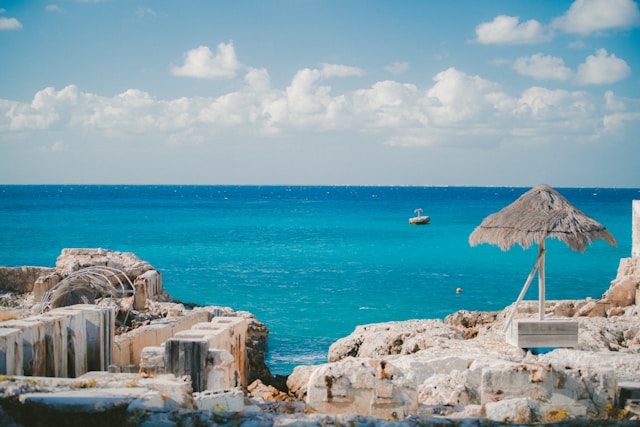
Why not visit a place with year-round appeal – one shaped more by water and weather than by seasonal demand? Cozumel sits just offshore from the Yucatán Peninsula, defined by reefs, currents, and light rather than spectacle. At 29 miles long and 9 miles wide, the island is easy to navigate yet rich in contrast: world-class dive sites like Palancar and Columbia, lively beach clubs, and quieter inland experiences. San Miguel offers thoughtful dining and local food experiences, while day trips reveal Mayan ruins and calm escapes such as Passion Island. What to do here is less about covering ground and more about staying close to the elements that give the island its character. Enjoy this guide – and for a smoother journey from airport arrival onward, airssist.aero’s VIP concierge service helps you stay cool, organized, and well prepared throughout.
Swim Along the Western Coast
Cozumel’s west coast is the island’s calmest and clearest stretch, protected from open Caribbean swells and mostly free of seasonal sargassum. Sandy beaches and gentle waters make it ideal for swimming, snorkeling, or simply lingering in the surf. From long, relaxed days at Playa Palancar to reef snorkeling at Playa Corona or easy dips near San Miguel, the west side offers options for every pace. Drift snorkeling along Palancar or Columbia with a local guide adds a more immersive experience, and evenings at Dzul Ha are perfect for sunset views. To make the most of your swim, a few essentials and local tips will help you move through the day smoothly.
Essential Tips:
- Best Beaches: Playa Palancar (relaxation, food, amenities), Playa Corona (shore snorkeling), near San Miguel (roped-off swim zones).
- Timing: Early morning for calm water; late afternoon for soft light and sunset.
- What to Bring: Reef-safe sunscreen, water shoes, lightweight cover-up, dry bag for valuables.
- Activities: Shore snorkeling or guided drift snorkeling along reefs.
- Local Treats: Don’t miss fresh ceviche or fish tacos at nearby beach clubs.
- Safety: Always check beach flags – black means unsafe to swim.
Snorkel and Dive the Reefs
Cozumel sits along the Mesoamerican Barrier Reef, the second-largest reef system in the world, offering clear waters, vibrant coral, and abundant marine life. Popular sites like Palancar, Columbia, and El Cielo provide opportunities for snorkeling, scuba diving, and drift snorkeling with marine biologists. For those who prefer to stay dry, semi-submersible boats and glass-bottom tours offer immersive views. Celebrities such as Matthew McConaughey and Shakira have shared their experiences here, praising the clarity of the water and the colorful underwater world.
Essential Tips:
- Best Time: November to May for calm seas and clear visibility.
- Activities: Shore or drift snorkeling, scuba diving (no experience needed), glass-bottom or semi-submersible tours.
- What to Bring: Reef-safe sunscreen, rash guard, water shoes, waterproof camera.
- Guides: Go with licensed local guides for safety and insights.
- Don’t Miss: El Cielo’s starfish-studded shallow sandbanks.
Spend Time in San Miguel de Cozumel
For the traveler with an adventurous mind, San Miguel de Cozumel is the perfect starting point. This compact, walkable town balances lively streets, shaded cafés, and dive shops doubling as social hubs with access to the island’s natural and cultural treasures. From world-class snorkeling and diving at Palancar and Columbia Reefs, to exploring Mayan ruins at San Gervasio, or unwinding at beach clubs like Mr. Sancho’s and Playa Mia, there’s something for every pace. Downtown offers markets, local eats like ceviche and tacos al pastor, and cultural spots such as Benito Juarez Park, while nearby parks like Punta Sur and Chankanaab showcase marine life and scenic views. Peak season is November–May, with quieter shoulder months in April–June, and taxis, rentals, or organized tours make exploring easy.
Essential Tips:
- Dive & Snorkel: Palancar, Columbia, and Cozumel Reefs National Marine Park.
- History & Culture: San Gervasio ruins, downtown markets, Benito Juarez Park.
- Beach & Relaxation: Mr. Sancho’s, Playa Mia, Chankanaab Park.
- Food & Drink: Ceviche, tacos al pastor, cochinita pibil; try Casa Mission or Buccanos.
- When to Go: November–May for peak season; April–June for fewer crowds.
- Getting Around & Safety: Taxi, rental, or tours; stick to bottled water and keep an eye on belongings.
Eat Simply and Locally
When in Cozumel, food reflects the island’s closeness to sea and land. Fresh fish, citrus, corn, and chile dominate menus, often prepared simply to highlight natural flavors. The most memorable meals come from local spots that value consistency over novelty – places you’ll want to return to again and again. For example, Casa Mission serves authentic Yucatán dishes like cochinita pibil, while La Choza Cozumel is a favorite for tacos al pastor and fresh ceviche. Even casual stops, like small cevicherías or beachfront eateries, showcase the island’s bounty with minimal fuss.
Essential Tips:
- Must-Try Dishes: Ceviche, tacos al pastor, cochinita pibil, sopa de lima.
- Where to Eat: Casa Mission, La Choza Cozumel, Buccanos, The Money Bar.
- Timing: Breakfast and lunch often offer the freshest seafood.
- Pairings: Fresh fruit juices, aguas frescas, or local tequila tastings.
- How to Explore: Wander downtown San Miguel or near beach clubs to find authentic local flavors.
Visit a Cenote Inland
Have you ever heard of swimming in a natural freshwater cave beneath the jungle? Beyond Cozumel’s coast, the island flattens into limestone and low jungle, where cenotes – freshwater sinkholes linked to underground cave systems – offer a cooler, quieter counterpoint to the Caribbean. Notable sites like Cenote Cocodrilo, Tres Potrillos, and Bambu connect to extensive caves such as Cueva Quebrada and Cueva Aerolito, some stretching over 11 km. Many cenotes sit on private land or contain archaeological artifacts, requiring permission to visit. Diving or swimming here gives a rare glimpse into Cozumel’s geology, biodiversity, and the island’s wider ecological network.
Essential Tips:
- Access: Seek permission for private-property cenotes.
- Safety: Certain caves need full cave diving certification.
- Best Time: Morning for calm water and optimal visibility.
- Don’t Miss: Cenote Cocodrilo for depth and artifacts; Tres Potrillos for dramatic sink chambers.
Observe the Built Environment
Have you ever noticed how architecture reflects climate, culture, and history? In Cozumel, buildings prioritize airflow, shade, and durability, with materials weathering openly under sun and salt. The island blends ancient Mayan sites, Spanish colonial remnants, and modern tourism infrastructure, creating layers of history. From San Gervasio’s ceremonial ruins to El Cedral’s oldest settlement, and vibrant downtown areas like El Malecon with colorful sculptures, Cozumel offers insights into human adaptation and design. Underwater, artificial reefs and shipwrecks such as the C-53 contribute to the marine ecosystem. Rapid development challenges infrastructure, but Marine Park regulations and sustainable projects like solar-powered hotels aim to preserve both heritage and environment.
Essential Tips:
- Historic Sites: Visit San Gervasio early for cooler temperatures and fewer crowds; El Cedral for Mayan heritage.
- Modern & Waterfront: Stroll El Malecon in the morning or sunset for art, cafes, and local life.
- Underwater Built Environment: Explore artificial reefs and shipwrecks via guided dives or snorkel tours.
- Sustainability: Respect Marine Park rules – no touching coral, use biodegradable sunscreen.
- What to Bring: Comfortable walking shoes, sun protection, camera for murals and waterfront views.
Return to the Shore at Dusk
There’s something magical about returning to shore at dusk in Cozumel. After a day of swimming, snorkeling, or exploring inland cenotes, the west coast comes alive with orange and pink hues reflecting on calm waters, often best enjoyed with a cold drink in hand. Popular spots like Dzul Ha, Playa Azul, or Palancar Beach offer tranquil settings, while sunset cruises such as the Cielo Sunset Cruise provide a moving panorama of the horizon before dinner. Walking back toward San Miguel as night falls, you can savor treats like fresh churros from Churronomy, completing a day steeped in local flavor and color. Historically, Cozumel’s shores have long been central to the island’s culture – from Mayan ceremonial arrivals to modern tourism celebrations – making dusk a time to connect with both nature and heritage.
Essential Tips:
- Best Spots & Activities: Sunset Beach, Dzul Ha, Playa Azul, Palancar Beach, SkyReef Cozumel, The Money Bar; enjoy a sunset cruise, picnic, seaside drinks, or stroll to San Miguel for churros. Bring a camera, arrive 30–60 minutes before sunset, and keep belongings secure.
Find Your Balance in Cozumel with airssist.aero
In addition to exploring Cozumel’s reefs, cenotes, and sunsets, airssist.aero transforms the way you travel, acting as your personal concierge from the moment you land at Cozumel International Airport (CZM). From VIP meet-and-greet and VIP lounge access to perfect transportation and curated private tours, every detail is handled so you can leave behind worries about luggage, long lines, language barriers, or negotiating local services. With airssist.aero managing the logistics and even with post trip support, you can fully immerse yourself in the island’s natural beauty and culture, creating a travel experience that feels effortless, luxurious, and perfectly balanced.